
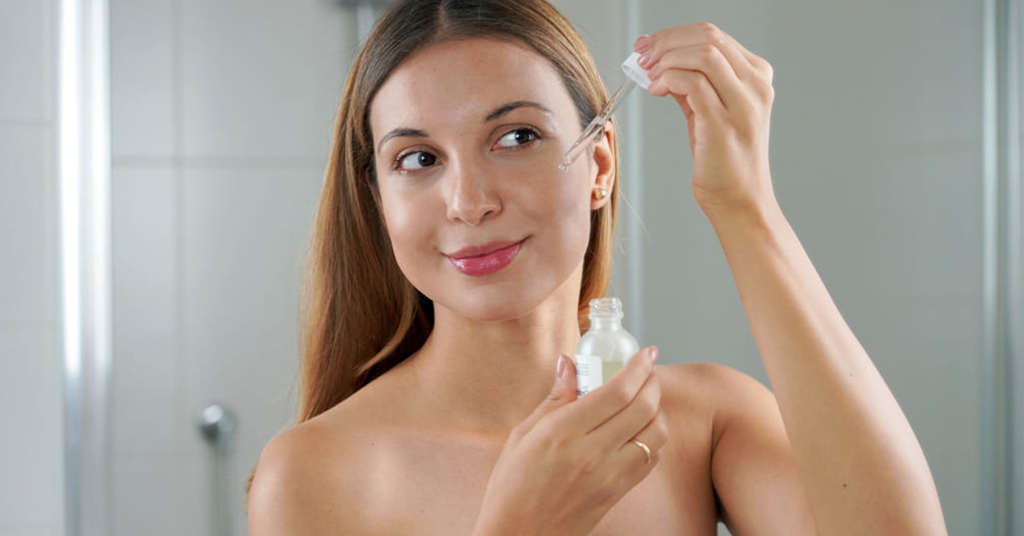
Retinol is one of those skincare staples that pretty much everyone’s heard of. From tackling fine lines and wrinkles to lightening dark spots, retinol is a multi-tasking powerhouse for skin. But with so many myths floating around—like “Does it thin your skin?”, “Should you avoid it in summer?”, or “Can beginners even use it?”—it’s no surprise you might feel a bit confused and hesitant to try it.
Don’t worry! We’re here to answer these questions and more, debunking 7 common myths so that you can enjoy its skin-transforming benefits without hesitation.
Highlights
What is Retinol?
You’ve probably noticed retinol in countless beauty products, but what exactly is it? Retinol is basically a type of retinoid—a fancy term for vitamin A derivatives that work wonders for your skin.
It boosts the turnover of dead skin cells, helping them to shed faster. Also, it encourages the growth of fresh, new ones. This makes it a superstar in fighting wrinkles, fine lines, and even stubborn acne. Retinol also boosts collagen production, helping to keep your skin plump and smooth. It’s also great at fading dark spots or hyperpigmentation, thus fostering a more even skin tone.
7 Myths About Retinol: Fact vs. Fiction
Are you holding back from using retinol because of things you’ve heard? No need to stress! We’re here to clear up the confusion and help you make the most of this skincare essential.
1. Retinol is Same as Retin-A
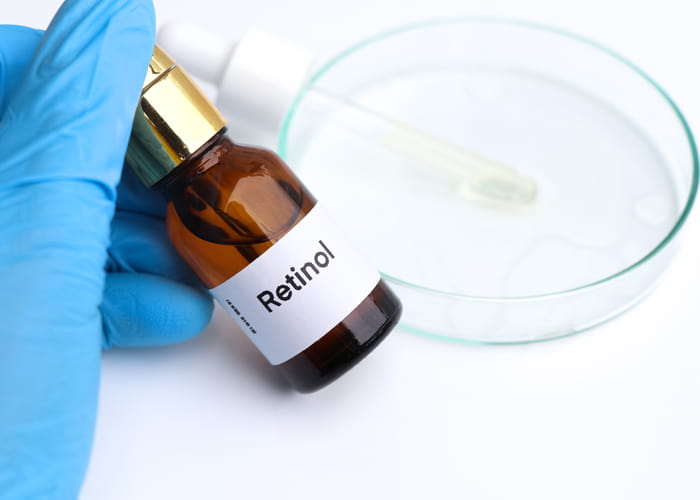
If you believe retinol and Retin-A are the same, it’s time for a change in perspective! While both are forms of vitamin A, they’re not the same thing. Here’s the difference:
- Retinol is a gentler, over-the-counter version. When you apply it to your skin, it needs to be transformed into its active form (retinoic acid) by your skin cells. This means it works more slowly and is usually less irritating, making it a good option for beginners or those with sensitive skin.
- Retin-A (also known as tretinoin), on the other hand, is a high-strength retinoid available by prescription. It’s already in its active form, so it works faster. But, it can also cause more irritation, especially if your skin is sensitive.
2. Retinol Can Make Your Skin Thin
When you use retinol, it speeds up the skin renewal process. So, that peeling or flaking you might see at first isn’t your skin thinning—it’s just your skin adjusting to retinol’s magic of speeding up cell turnover.
Here’s the deal: retinol helps your skin shed old, damaged cells while boosting collagen production, actually making the deeper layers of your skin thicker and stronger over time. That means healthier, smoother, and more youthful skin—not thinner!
In fact, a study showed that after just 4 weeks of using retinol, people had thicker skin and more collagen, proving the benefits are real. So, no worries—retinol is all about building your skin up, not breaking it down!
3. Retinol is Only for Older Skin

Not true! Retinol is a skincare superstar for all ages. It isn’t just for fighting wrinkles—it’s a versatile ingredient that works wonders for all kinds of skin problems at any age. In fact, starting retinol early can help prevent aging signs while boosting your skin’s overall health.
If you’re in your 20s or 30s, retinol can help with acne, uneven skin tone, and clogged pores. Plus, it boosts collagen production, which can preserve your skin’s smoothness and youthful glow over time. For those in their 40s and beyond, retinol is fantastic for targeting wrinkles, fine lines, and texture issues, but it’s just as beneficial for younger skin too!
So, don’t wait for signs of aging to start using retinol. It’s a great all-around ingredient that can keep your skin clear, fresh, and glowing no matter your age.
4. You Can’t Use Retinol During the Day
You’ve probably heard that you shouldn’t use retinol cream or retinol serum during the day—but is that true? Let’s clear that up. Retinol boosts cell turnover, which means the new skin cells can be more prone to damage from UV rays.
So, can you use it during the day? Technically, yes! While retinol is most effective when applied at night (since it’s sensitive to light, which can break it down and reduce its power), it doesn’t mean you can’t use it in the morning.
You just need to be extra diligent with sunscreen. SPF 30 or higher is a must, and don’t forget to reapply. So, while daytime retinol isn’t totally off-limits, nighttime use tends to be the safest bet. No sun exposure, no worries. Plus, your skin gets to soak it all in while you sleep.
5. You’ll See Results Instantly
Ah, the promise of instant results! Wouldn’t it be awesome if retinol worked that quickly? While retinol is definitely a superstar ingredient, the truth is, like any other product, it too does not work overnight. For retinol to work, your skin needs to transform it into retinoic acid first.
This process takes time, which is why it can take up to 6 months to start seeing visible changes. So, while you might get a little glow right away, don’t expect a total transformation after one application. Stay committed, and you’ll soon begin to see the real results—just give it time!
6. You Shouldn’t Apply Retinol Under Your Eyes
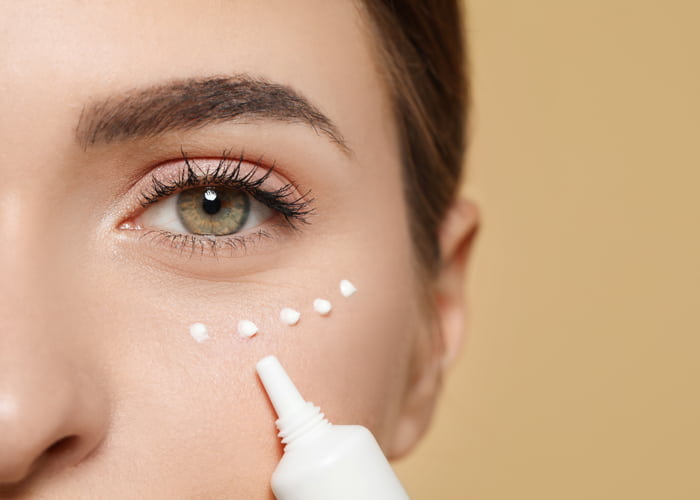
You’ve probably heard that you shouldn’t apply retinol under your eyes. But is it a hard-and-fast rule? Not exactly! The skin under your eyes is thinner and more fragile than the rest of your face, making it especially prone to the first signs of aging. This area tends to pop-up wrinkles, fine lines, and dark circles sooner.
Retinol can cause dryness, irritation, or peeling, which is why some people avoid it in this area. But, that doesn’t mean you have to skip it altogether. So, if you’re keen on using retinol under your eyes, start slow. Apply a small amount, use a lower-strength retinol, and always pair it with a hydrating eye cream to help minimize irritation.
7. Retinol Exfoliates Your Skin
If you’ve been using retinol or are curious about adding it to your routine, you’ve probably heard the claim: “Retinol exfoliates your skin!” But does it really? Well, not in the manner you’re probably envisioning.
Unlike chemical exfoliants like glycolic acid or salicylic acid, which directly dissolve dead skin cells on the surface, retinol works deeper within your skin. It’s a multitasker, encouraging your skin to accelerate its natural process of cell turnover. This means it facilitates the natural shedding of old skin cells and the arrival of fresh, new ones to the surface.
The result? Fresh, glowy skin that feels like it’s been gently exfoliated.
The Catch: Go Slow and Be Patient
Retinol is potent, but don’t expect instant results. You might notice some dryness, peeling, or redness when you first start—don’t panic! That’s just your skin adjusting to the process.
To avoid irritation:
- Start slow: Use it 1–2 times a week and slowly escalate as your skin builds tolerance.
- Moisturize: Make sure to keep your skin well-hydrated to offset any dryness. Apply a hydrating moisturizer before or after using retinol.
- Protect: Always wear a broad-spectrum sunscreen during the day. Your skin may become more sensitive to the sun when using retinol.
Patience is key—dryness and peeling are normal at first, but they’ll fade as your skin adjusts, revealing clearer, smoother skin over time.
Take Away!
Retinol is a skincare favorite, but the myths surrounding it can leave you puzzled. With the right awareness, however, you can reap its full potential and unlock smoother and clearer skin. Start slowly, be patient, and remember that the best skincare results come from consistency and proper use. Just be sure to use it wisely—and with sunscreen. Say goodbye to hesitation and hello to youthful, radiant skin!
FAQs
1. Does retinol really make a difference?
Yeah, retinol can definitely make a difference! It’s like a powerhouse for your skin – it helps smooth out skin texture, fades dark spots, and reduces fine lines and wrinkles. It supports your skin in discarding old, dead cells and bringing in fresh, new ones.
Plus, it unclogs pores, making it perfect for acne-prone skin. It might make your skin a bit sensitive at first, so be patient and keep your sunscreen handy. Over time, it’ll give your skin a smoother, more even skin.
2. Is retinol sensitive to sunlight?
Retinol is pretty sensitive to sunlight, which means it can break down and lose its potency if it’s exposed to direct sunlight for too long. That’s why most skincare experts recommend using it in your nighttime routine. Plus, your skin gets more sun-sensitive, so make sure to apply sunscreen daily—even if you only apply retinol at night.
3. How to use retinol?
- Start Slow: If you are new to retinol, begin by using it 1-2 times a week to let your skin build tolerance. Slowly increase to every alternate night as your skin gets accustomed to it.
- Cleanse First: To avoid irritation, use a gentle cleanser to wash your face. Softly, pat it dry before applying retinol.
- Apply a Small Amount: Use a pea-sized scoop for your entire face. Gently apply it in a thin layer. Avoid overusing it, as a little goes a long way.
- Moisturize: After using retinol, top it off with a moisturizer to keep your skin nourished and calm dryness or irritation.
- Wear Sunscreen: Retinol can amplify sun sensitivity. So, remember to use sunscreen during the day to safeguard your skin from UV rays.
- Be Patient: Retinol takes time, so stick with it for a few weeks or months for visible results.
4. Will wrinkles come back if I stop using retinol?
If you stop using retinol, it’s possible that the visible improvements in your skin may gradually fade over time. Retinol works by speeding up cell turnover, stimulating collagen production, and improving skin texture, which helps reduce the appearance of wrinkles. Once you stop, your skin will return to its normal aging process, and fine lines and wrinkles could start to reappear over time.