
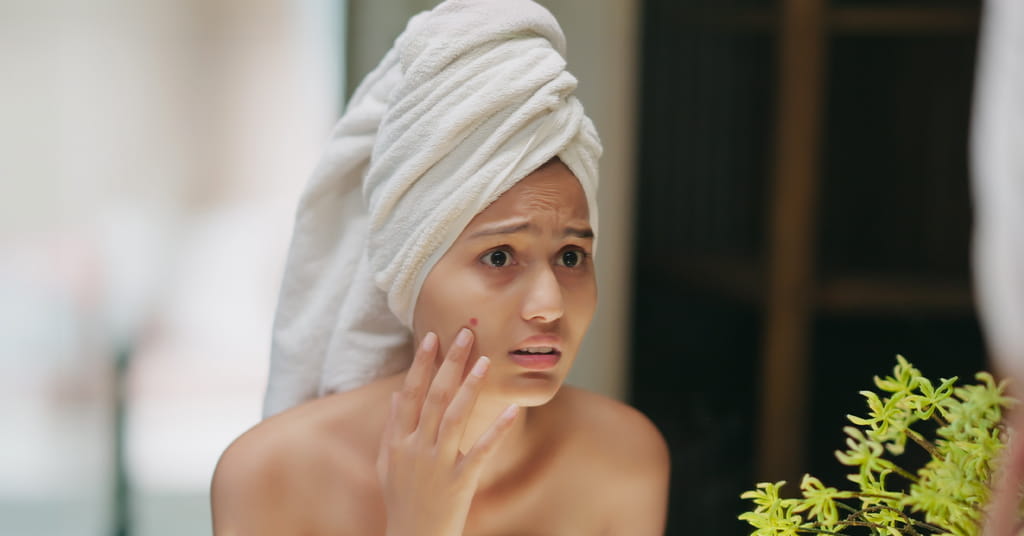
Pimples are a common and generally harmless type of skin blemish, but it can be incredibly frustrating when they keep popping up in the same spot on your face. Do you have that one recurring pimple that just won’t go away? If that’s the case, you could be facing acne, which may persist for several weeks or even months.
If you’ve tried everything to banish that stubborn spot, it’s likely that acne is the culprit. So, what’s going on with these recurring breakouts? Let’s explore their reasons and some effective treatments for those pesky zits.
Highlights
- Pimples and its Types
- What Causes Recurring Pimples?
- Simple Treatment Options to Manage Recurring Pimples!
- When to See a Dermatologist?
- Take Away!
- FAQs
Pimples and its Types?
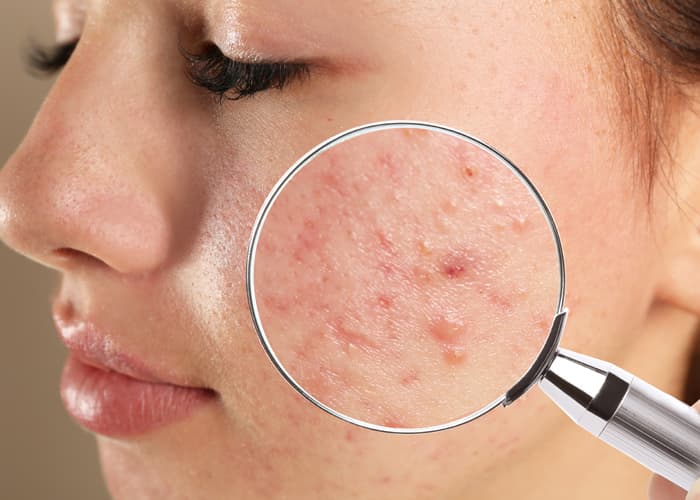
Your skin features tiny openings called pores, which can become clogged with oil, bacteria, dead skin cells, and dirt, leading to pimples—commonly known as zits or blemishes. These breakouts may manifest as raised red spots with a white center and are most common during puberty but can occur at any age.
Recurring pimples may indicate acne, a skin condition that, while not posing serious health risks, can be painful and may result in scarring. This condition often affects emotional health, impacting self-esteem and potentially leading to anxiety or depression.
The silver lining is that acne is quite treatable, with numerous effective options available to help reduce breakouts and minimize scarring.
What causes Recurring Pimples?
So, why do those pesky pimples keep making an appearance? It’s usually a mix of several factors that can lead to recurring breakouts.
To begin with, when your skin produces too much oil, it can clog your pores, setting the stage for acne to develop. Bacteria also play a role, multiplying in those clogged spots and causing inflammation. Hormonal changes are another biggie—think puberty, pregnancy and that monthly menstrual cycle, all of which can ramp up oil production and lead to breakouts.
Some medications, like corticosteroids and anabolic steroids, can also lead to acne breakouts. And let’s not forget about our diets; indulging in carb-heavy foods like bread, bagels, and chips can trigger breakouts for some people. Poor sleep and stress are culprits, too—when you’re stressed, your body goes into overdrive with oil production, and lack of sleep can wreak havoc on your skin.
Oily cleansers and creams can worsen acne, especially if it runs in your family. Picking at pimples irritates the skin, and friction from collars or backpacks can cause breakouts. Humidity can also clog pores.

Simple Treatment Options to Manage Recurring Pimples!
Dealing with recurring pimples or acne? You’re not alone! Board-certified dermatologists suggest a mix of treatments and lifestyle tweaks to help you get your skin back on track. Here’s a breakdown of what you can try:
Topical Medications
When tackling acne, topical medications are key! Start with benzoyl peroxide gel, your ultimate ally against inflamed breakouts—it targets bacteria, clears red spots, and helps prevent new ones.
Next, incorporate salicylic acid to effectively unclog pores and reduce blackheads and whiteheads; a salicylic acid face wash can keep your skin smooth and clear.
Don’t forget clindamycin gel!. This topical antibiotic works alongside benzoyl peroxide to control surface bacteria for enhanced results.
Other effective options include retinoids (like Tretinoin and Adapalene) to prevent clogged pores and azelaic acid, which kills bacteria and reduces swelling.
Together, these treatments form a robust strategy for achieving clearer, healthier skin!
Oral Medications
When it comes to tackling moderate to severe acne, oral medications can really pack a punch. Antibiotics, like Tetracycline, are great for reducing bacteria and inflammation, giving your skin that extra boost it needs.
But if your acne is particularly stubborn, isotretinoin capsules are the ultimate game-changer. This powerful oral retinoid works by shrinking oil glands, improving your skin and keeping the breakouts in check.
For women facing hormonal acne, hormone therapy can be incredibly effective, usually involving birth control pills or spironolactone to help stabilize hormone levels.
Whether you go for antibiotics, isotretinoin, or hormone therapy, these options can make a big difference in your journey to clearer skin!
Other Treatments
If you’re looking for additional ways to tackle acne, there are some effective treatments out there! Chemical peels, laser skin resurfacing, and microdermabrasion are all effective treatments that help reduce breakouts by exfoliating dead skin, minimizing oil production, and clearing clogged pores.
These treatments can be a great complement to your skincare routine, helping you achieve a clear and radiant complexion!
Home Remedies
Looking for some natural ways to fight acne? Try incorporating tea tree oil into your routine—it’s a powerhouse for targeting pesky bacteria. A tea tree oil face wash can greatly aid in achieving clear skin. For a fun exfoliating option, sugar or salt scrubs are perfect for sloughing off dead skin cells right at home. Don’t forget about green tea! This antioxidant-rich remedy not only helps reduce oiliness but can also be applied directly after brewing.
A warm compress can boost blood flow to speed up healing, while ice is great for reducing inflammation and pain—just wrap it in a cloth and apply.
With these tips, you can tackle those pesky pimples head-on. Remember, consistency is key, and if something doesn’t work, don’t hesitate to reach out to a dermatologist for tailored advice!

When to See a Dermatologist?
Recurring pimples are a common and generally harmless skin issue, but if they persist despite at-home treatments, it’s wise to consult a dermatologist. They can accurately identify the type of pimple and recommend appropriate treatments.
If pimples are impacting your self-esteem or mental well-being, seeking help from a healthcare professional is essential. Additionally, some skin conditions can mimic pimples, ranging from mild issues like cold sores to more serious concerns like skin cancer.
Consult a doctor if you notice any of the following:
- Pimples that itch, burn, or ooze
- Breakouts localized around the mouth
- Pimples that resemble blisters or crust over
- Large bumps or cysts in the armpits or groin
- Rapid changes in the shape, size, or color of a blemish
- Pimples accompanied by irregular menstrual cycles, dark patches of skin, or hair loss
Don’t ignore those annoying breakouts! Taking your skin’s signals seriously can help you guide to better care for achieving clear, healthy skin.
Take Away!
While most pimples are not harmful, they can sometimes linger longer than expected. If you’ve been diligently using home remedies and over-the-counter treatments without seeing improvement, it might be time to consult a doctor for assistance.
FAQs
1. How to get rid of a pimple that keeps coming back?
To eliminate a recurring pimple, start by using targeted treatments like benzoyl peroxide or salicylic acid directly on the spot. Stick to a regular skincare routine using non-comedogenic products and resist the urge to pick at any pimples.
If the problem persists, consider consulting a dermatologist for a tailored treatment plan.
2. Why am I getting a recurring pimple?
Recurring pimples can stem from multiple factors, such as hormonal changes, clogged pores, and bacteria. Lifestyle elements like stress, diet, and inadequate skincare can also contribute. Identifying your specific triggers is key to preventing these persistent breakouts.
3. How to remove pimples naturally and permanently?
To naturally eliminate pimples and encourage long-term clear skin, prioritize a balanced diet full of fruits, vegetables, and whole grains, and make sure to stay hydrated. Incorporate natural remedies like tea tree oil and aloe vera, which can help reduce inflammation.
4. How to remove pimple marks?
To remove pimple marks or scars, consider using topical treatments that contain ingredients like vitamin C, retinoids, or alpha hydroxy acids, which can help brighten and exfoliate the skin.
Regular exfoliation can also promote cell turnover, fading marks over time. Additionally, staying consistent with sunscreen application protects your skin and prevents darkening of scars.
For stubborn marks, consult a dermatologist for professional treatments like chemical peels or laser therapy.
5. How to avoid pimples on face?
To prevent pimples on your face, develop a regular skincare routine that features gentle cleansing, exfoliating, and moisturizing with non-comedogenic products. Also, manage stress with relaxation techniques. Avoid touching your face to reduce the transfer of oils and bacteria, which can help prevent breakouts.