

In today’s digital world, we’re always surrounded by blue light through screens; smartphones, laptops, TVs, and tablets. These devices give off a visible light called blue light, which could harm our skin.
But just how risky is blue light exposure, and what can we do to protect ourselves? In this guide, we’ll cover everything you need to know about blue light and share tips on how skincare can help keep your skin safe.
Highlights
- What Is Blue Light?
- Blue Light vs. UV Light
- Exposing Effects of Blue Light on Skin
- Potential Skin Issues Caused by Blue Light Exposure
- Effective Strategies to Protect Your Eyes from Blue Light Exposure
- Lifestyle Changes for Healthier Skin in the Digital Era
- Blue Light Therapy: A Double-Edged Sword
- Can You Undo Blue Light Damage to the Skin?
- To sum up
- FAQs
What Is Blue Light?
Blue light is a high-energy visible (HEV) light that falls on the visible light spectrum with a wavelength of 380 to 500 nanometers.
It’s emitted by digital screens, LED lights, and even the sun. While natural blue light from the sun is important for regulating our sleep-wake cycle, the artificial blue light from the screens is what concerns the skin health.
Blue Light vs. UV Light
Blue light and UV light are both types of light, but they differ in wavelength and effects. Blue light has a longer wavelength and is visible to the eye, coming from screens and sunlight. On the other hand, the main source of UV light is the sun, it has a shorter wavelength and is invisible.
Blue light can cause eye strain and disrupt sleep, while UV light is more harmful, causing skin damage, sunburn, and increasing the risk of skin cancer. UV protection requires sunscreen and sunglasses, while blue light can be managed with screen filters and special glasses.
Exposing Effects of Blue Light on Skin

While short-term exposure to blue light is unlikely to cause immediate visible harm, prolonged and consistent exposure, especially from devices like smartphones and laptops in this digital age, may accelerate skin aging.
Recent research suggests that continuous exposure to high-energy blue light can cause skin barrier damage, contributing to signs of premature aging and other skin issues like hyperpigmentation over time.
Potential Skin Issues Caused by Blue Light Exposure
Next, let’s discuss the skin issues that can arise from prolonged exposure to blue light.
- Photoaging: While aging is inevitable, long-term exposure to blue light can contribute to untimely photoaging of the skin, causing fine lines, wrinkles and sagging. This happens due to its ability to penetrate deeper layers of the skin.
- Hyperpigmentation: Extended exposure may trigger an increase in melanin production, resulting in uneven skin tone and dark spots.
- Cell Damage: Prolonged blue light exposure can damage skin cells and disrupt the skin’s natural repair processes, contributing to inflammation and irritation.
- Decreased Skin Barrier Function: Blue light may weaken the skin’s natural barrier, leaving it more vulnerable to external aggressors, such as pollutants and harsh weather conditions.
But don’t you worry, we have listed many ways below to protect yourself from blue light’s harmful effects. Read on to find out.
Can You Undo Blue Light Damage to the Skin?
While it’s difficult to reverse blue light damage completely, you can mitigate the effects by adopting a good skincare routine that includes antioxidants like vitamin C serum, repairing moisturizers, and daily sun protection.
Effective Strategies to Protect Your Eyes from Blue Light Exposure
While blue light might not be as harmful as UV, it certainly can cause some damage. If you want to keep your skin looking fresh and fab, it’s definitely worth taking a few simple steps to shield yourself from its sneaky effects.
- Maintain Distance: Sit about 25 cm (arm’s length) from the screen.
- 20-20-20 Rule: Every 20 minutes, look at something 20 feet away for 20 seconds.
- Limit Night Use: Avoid screens 2 hours before bed.
- Artificial Tears: There help not just to relieve dry and irritated eyes, it may also reduce the amount of blue light absorbed by the eyes from the screens.
- Adjust Settings: Lower brightness and contrast of your screens.
- Optimize Lighting: Use soft and ambient lighting.
- Matte Filter: Reduce glare with a screen protector.
- Eyeglasses: Prefer glasses over contact lens for prolonged screen use.
Lifestyle Changes for Healthier Skin in the Digital Era
1. Use blue light-protecting skincare products:
- Look for serums, moisturizers, and sunscreens with antioxidants (like vitamin C) and ingredients that offer blue light protection.
- Zinc oxide and titanium dioxide are good ingredients to look out for in your sunscreen in blocking blue light and UV rays.
2. Take screen breaks: One of the most important things to do is to reduce your screen time or take regular breaks to give your skin a rest from constant blue light exposure.
3. Limit evening screen use: Avoid using digital devices right before bed, as blue light can interfere with your circadian rhythm and sleep quality.
4. Use blue light filters: Good news! Most smartphones and computers come with built-in blue light filters, or you can easily snag a third-party app to give your screens a little less glow and a lot more protection. Your eyes and skin will thank you!
Blue Light Therapy: A Double-Edged Sword
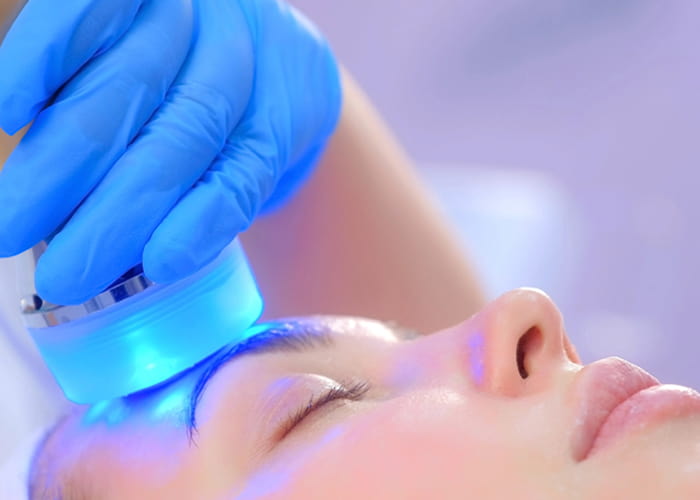
Yes, blue therapy has its harmful effects but like all things, it’s not all bad. While blue light has been implicated in potential skin damage, it also has therapeutic uses.
Blue light therapy is an medical treatment often used for conditions like acne, mild to moderate psoriasis, and actinic keratosis. It has shown good results in providing relief from them. Some of the pros and cons of blue light therapy has been listed in the following table:
|
Pros |
Cons |
| Effective in treating acne and mild skin conditions | May cause temporary dryness and irritation |
| Needle-free with little to no downtime | Can be expensive |
| Reduces the appearance of inflammation and redness | Not suitable for all skin types |
Blue light therapy has shown promising results, especially for those with acne and certain inflammatory skin conditions. However, its long-term benefits are still being researched. It’s best to consult with a dermatologist before beginning any blue light therapy treatment.
To sum up
As we continue to integrate technology into our daily lives, understanding the impact of blue light on the skin is crucial.
By adopting the right protective measures, using blue light-blocking products, and making mindful lifestyle changes, you can safeguard your skin against the potential long-term effects of digital exposure.
So, while blue light isn’t an immediate threat, taking steps to protect your skin can ensure that it remains youthful and healthy as we navigate our screen-centric world.
FAQs
Does Vitamin C Protect Against Blue Light?
Yes, vitamin C helps to neutralize free radicals and oxidative stress caused by blue light exposure, making it a useful addition to your skincare routine.
Is Blue Light More Harmful Than UV?
Blue light is less harmful than UV light but can still contribute to long-term skin damage, including aging and pigmentation issues.
Is Blue Light Harmful for Skin?
While moderate exposure is unlikely to cause immediate harm, prolonged and repeated exposure to blue light from screens can lead to photoaging (skin pigmentation, fine lines, saggy skin and cell damage).
What Does Blue Light Do to the Skin?
Blue light penetrates deep into the skin and causes oxidative stress, which can damage cells, accelerate skin aging, and contribute to pigmentation issues.
How Can I Protect My Skin from Blue Light?
You can protect your skin by using blue light-blocking skincare products, taking screen breaks (limiting screen time), wearing blue light-blocking glasses, and applying broad-spectrum sunscreen.