

Your skin is constantly changing and rejuvenating itself, much like how the seasons undergo cycles of renewal and repair. However, a fast-paced life, stress, and environmental factors can disrupt this natural process. Once you understand your skin cycles, you’ll be able to recognize when it needs a reset to restore its health and vitality.
In this write-up, we’ll plunge into the concept of skin cycles, how to spot when your skin needs a reset, and how to give your complexion a well-deserved refresh.
Highlights
- What Are Skin Cycles?
- Signs Your Skin Needs a Reset
- How to Give Your Skin a Fresh Start (Understanding Skin Cycling)?
- Take away!
- FAQs
What Are Skin Cycles?
Your skin is a dynamic organ that’s always renewing itself. The “skin cycle” refers to the process in which your skin sheds old, dead cells and replaces them with new ones.
On average, this cycle takes about 28 to 30 days, although it can vary depending on your age, lifestyle, and skin type. During this process, your skin clears away old cells and works to produce fresh, healthy ones.
However, this cycle can be disrupted by hormonal fluctuations, environmental toxins, diet, and poor skincare practices. When this happens, your skin might show signs of breakouts, dullness, dryness, or sensitivity.
Signs Your Skin Needs a Reset
Recognizing when your skin is off-balance is key to knowing when it’s time to hit the reset button. Here are some common signs:
1. Breakouts That Won’t Quit
While occasional pimples are normal, chronic or persistent breakouts are a major sign that your skin needs a reset. This could indicate overproduction of oil, clogged pores, or an imbalance in your skin’s microbiome.
If breakouts don’t improve with your regular skincare routine, it’s time to dig deeper and address the root cause.
2. Dull or Uneven Skin Tone
If your complexion starts looking lackluster, grayish, or uneven, it might mean your skin isn’t shedding dead cells properly. As we age or face external stressors, skin cell turnover can slow down. This leads to a dull or uneven skin tone.
A reset with exfoliation or a gentle peel can help speed up the renewal process and reveal glowing skin.

3. Dryness and Dehydration
Tight, flaky skin is often a sign of dehydration or lack of moisture. Harsh weather, poor skincare, or over-exfoliation can compromise your skin’s natural barrier, making it harder to retain moisture.
Resetting your skin can involve restoring its hydration and strengthening its moisture barrier.
4. Increased Sensitivity or Redness
If your skin is easily irritated, inflamed, or becomes red easily, it may be reacting to harsh environmental factors or products that are too strong. Overusing active ingredients like retinol can leave your skin stripped and vulnerable.
A reset would involve soothing your skin and removing any irritating ingredients to restore its calm.
5. Fine Lines and Wrinkles
As we get older, the skin’s regenerative process slows down, leading to fine lines and wrinkles. But if you notice sudden changes in texture, like crow’s feet or laugh lines, it might indicate that skin renewal isn’t happening effectively.
A reset could involve treatments that stimulate collagen production and boost skin elasticity.
6. Enlarged or Clogged Pores
When your pores appear larger or clogged, it’s usually a sign that your skin’s normal exfoliation cycle is out of sync. This can happen when dead skin cells, oil, and environmental pollutants accumulate.
Resetting your skin by regularly exfoliating, using masks, and detoxifying treatments can help keep pores clean and refined.
How to Give Your Skin a Fresh Start (understanding skin cycling)?
While skin cycles refers to your skin’s natural process of renewing itself, where it sheds old cells, repairs, and rebuilds its barrier over time. Skin cycling is a skincare strategy that aligns your routine with these stages, by alternating products like exfoliants, retinoids, and hydrating treatments on different nights.
The idea is to support your skin’s natural rhythm without overloading it.
To keep your skin healthy and glowing, it’s important to understand its natural cycle and tailor your skincare routine accordingly. The four stages include Exfoliation, in which dead skin cells are sloughed off; Retinoid, to restore and strengthen your skin; Repair, focused on rebuilding the skin barrier; and Recovery, to maintain hydration and balance.
And so, by understanding skin cycling, you can nurture your skin’s natural rhythm to better attune it to skin cycle. Listing down some tips to restore your skin to its natural rhythm:
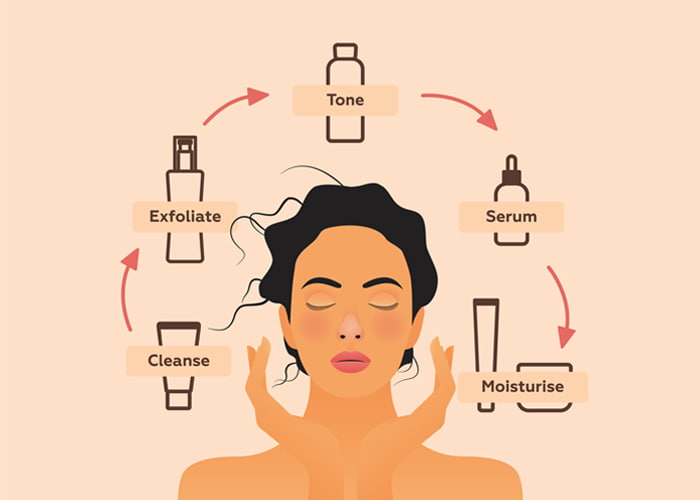
1. Exfoliate Regularly
Exfoliation is one of the most effective ways to kick-start your skin’s cell turnover. A mild exfoliator or chemical peel can help remove the top layer of dead skin cells, revealing a fresher, smoother complexion. Just be cautious not to overdo it—exfoliating 2–3 times a week is usually enough for most skin types.
2. Hydrate and Moisturize
One of the easiest ways to reset your skin is by keeping it hydrated. Use a high-quality moisturizer suited to your skin type and drink plenty of water throughout the day. If your skin is on the dry or dehydrated side, try incorporating a hydrating serum with ingredients like hyaluronic acid or glycerin.
3. Introduce Skin-Friendly Actives
To give your skin a little extra love, consider introducing targeted ingredients like hyaluronic acid, retinoids, vitamin C or peptides. These actives help improve skin texture, boost collagen production, and fade dark spots.
Just be sure to patch-test and introduce them gradually to avoid irritation.
4. Invest in a Mask or Treatment
A nourishing mask or treatment is a great way to reset your skin. Choose one that targets your specific skin concern—whether it’s hydrating, detoxifying, soothing, or brightening. A good mask can provide a quick pick-me-up, replenishing nutrients and helping to restore balance to your skin.
5. Simplify Your Skincare Routine
Sometimes, less is more. If your skin is feeling overwhelmed by too many products or harsh ingredients, take a break. For a few weeks, strip your routine back to the basics: cleansing, moisturizing, and protecting from the sun. Let your skin breathe and recover before reintroducing more complex products.
6. Prioritize Sleep and Nutrition
Don’t underestimate the power of sleep and a balanced diet when it comes to healthy skin. Your skin repairs itself while you sleep, so getting enough rest is crucial. Eating a nutrient-rich diet filled with antioxidants, vitamins, and omega-3 fatty acids can also support your skin’s natural rhythm and help keep damage to a minimum.

7. Consult a Dermatologist
If your skin issues persist despite your best efforts, it may be time to consult a dermatologist. A professional can assess your skin and recommend a personalized treatment plan, which may include prescription-strength products or in-office procedures.
Take Away!
Everyone’s skin has a natural cycle of renewal, but when something goes off course, it’s important to recognize it and reset. Whether you’re dealing with acne, dryness, dullness, or irritation, resetting your skin will bring back that healthy, glowing complexion.
With the right steps—like exfoliating, hydrating, simplifying your skincare routine, and prioritizing rest—you can support your skin’s natural rhythm and enjoy a refreshed, radiant look. Don’t forget: Healthy skin is always in season.
FAQs
1. What are skin cycles, and why are they important?
Skin cycles are the natural process where your skin sheds old, dead cells and replaces them with fresh, new ones. On average, this cycle takes around 28 to 30 days. It’s important because it helps keep your skin healthy, vibrant, and free of buildup, which can lead to breakouts, dullness, or other skin issues.
2. How often should I exfoliate to reset my skin?
Exfoliating about 2-3 times a week is usually enough for most people. Over-exfoliating can irritate the skin, so be sure to listen to your skin and adjust based on how it feels. If you have sensitive skin, stick to gentler exfoliation.
3. Can I reset my skin if I have acne or other skin issues?
Yes! Skin reset is especially helpful for acne-prone skin. Exfoliation, hydration, and targeted treatments (like salicylic acid or retinol) can help to unclog pores and reduce inflammation. However, if acne persists or worsens, it’s a good idea to consult a dermatologist for personalized advice.
4. Is it okay to use a lot of products during a skin reset?
It’s best to keep things simple during a reset. Focusing on just a few key products—like a gentle cleanser, moisturizer, and sunscreen—will let your skin heal and balance itself. Overloading it with too many products, especially ones with harsh actives, can sometimes make things worse.
5. Do I need to see a dermatologist for a skin reset?
If you’re experiencing persistent skin issues or if your skin doesn’t respond to your reset efforts, it’s a good idea to see a dermatologist. They can help pinpoint any underlying causes and recommend the best treatments, whether that’s prescription products or professional treatments.
6. Can I reset my skin using natural remedies?
While some natural remedies (like honey or aloe vera) can be soothing, they’re not always powerful enough to reset your skin on their own. For more noticeable results, you might need active ingredients like exfoliants or serums. However, if you’re a fan of natural products, make sure they’re gentle and complement your routine rather than replacing it.
7. How can I prevent my skin from needing constant resets?
Consistency is the way to go! Keep a balanced skincare routine that includes hydration, sun protection, and gentle exfoliation. Also, make healthy lifestyle choices like eating a nutrient-rich diet, managing stress, and getting enough sleep to support your skin’s natural cycles.