

Achieving radiant skin is easier when you know how to layer serums effectively. Layering serums allows your skin to benefit from multiple active ingredients, targeting a variety of concerns in one skincare routine.
Here’s your ultimate guide to serum layering for an optimized skincare routine.
Highlights
- What Is Serum Layering?
- Why Should You Layer Serums?
- 5 Tips for Optimizing Serum Layering
- Serum Pairing for Specific Skin Concerns
- Which Serums Shouldn’t Be Mixed?
- FAQs
What Is Serum Layering?
Aiming for a ‘lit-from-within’ glow? Serum layering might just become your new skincare obsession!
Serum layering is the art of applying multiple serums in a particular sequence to enhance their overall effectiveness. Each serum is designed to address a particular skin concern (hydration, dark spots, or fine lines), making this method ideal for a customized skincare routine.
Why Should You Layer Your Face Serums
Serum layering is a simple yet powerful way to upgrade your skincare game. By combining the right serums, you can target multiple skin concerns, maximize product benefits, and improve your skin’s overall health and glow. Here’s why it works:
- Targets multiple issues: Pairing serums can address dry, dehydrated skin, aging and pigmentation at the same time.
- Enhances absorption: Applying in the right order ensures each serum gets absorbed properly.
- Improves skin health: Combines the benefits of various active ingredients for a holistic solution.
After learning how layering serums could help you solve your skin problems, next, let’s learn how to use face serum correctly.
5 Tips for Optimizing Serum Layering
1. Start Light, Go Heavy
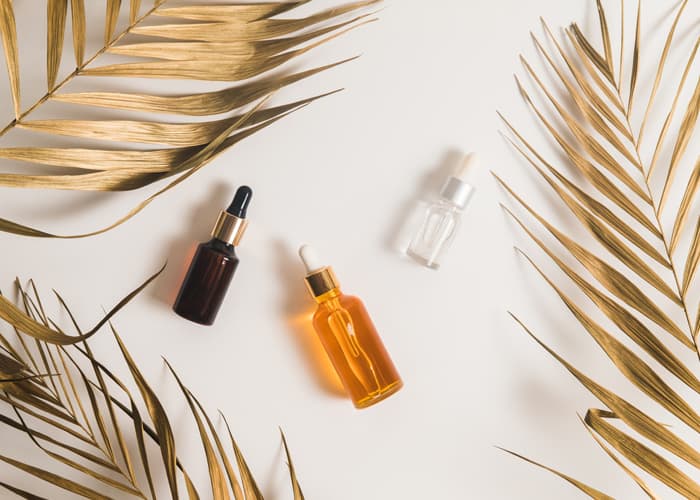
Always layer serums from the thinnest consistency to the thickest. Begin with lightweight, water-based serums (such as hyaluronic acid), allow them to absorb fully for a minute or two, and then layer thicker or oil-based serums.
2. Know What Pairs Well
Combining the right serums enhances their benefits, leading to healthier, glowing skin. However, incompatible pairings can cause irritation or reduce effectiveness.
Read below to find out which serum combinations work best and which to avoid.
|
Ingredient |
Good Pairs |
Bad Pairs |
| Hyaluronic Acid | Niacinamide, Vitamin C, Retinol |
– |
| Vitamin C | Hyaluronic Acid, Niacinamide | Retinol, AHAs/BHAs |
| Retinol | Hyaluronic Acid, Peptides | Vitamin C, AHAs/BHAs |
| Salicylic Acid | Hyaluronic Acid, Niacinamide, Alpha Arbutin, Azelaic Acid | Retinol, Vitamin C |
3. Take Time for Each Serum to Absorb
Allow each serum to sink in for 1–2 minutes before applying the next layer. This prevents pilling and ensures better penetration.
4. Tailor for AM and PM
Some serums are more effective during the day, while others should be reserved for nighttime.
|
Routine |
Morning Skincare Routine (AM) |
Nighttime Skincare Routine (PM) |
| Step 1 | Cleanser | Cleanser |
| Step 2 | Eye cream | Eye cream |
| Step 3 | Vitamin C serum for glowing skin | Retinol or Peptide serum |
| Step 4 | Hyaluronic acid for hydration | Hyaluronic acid for hydration |
| Step 5 | Moisturizer | Moisturizer |
| Step 6 | Sunscreen |
5. Limit Active Ingredients
To avoid irritation, it’s essential to avoid using an excessive number of active serums in your skincare routine. For instance, it’s recommended to use retinol at night and Vitamin C in the day.
Stick to using 2–3 serums at most to avoid any side effects or adverse reactions and ensure your skin stays balanced and healthy.
How to Layer Face Serums for Specific Skin Concerns
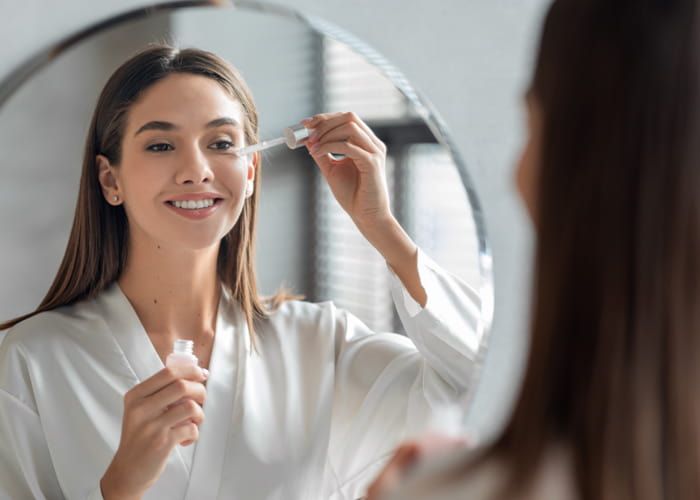
Choosing the right serums for your specific skin concerns can transform your daily skin care routine at home and maximize results.
Below is a rundown of which serums can be used together to target common issues like acne, dryness, hyperpigmentation, and more.
|
Skin Concern |
Recommended Serum Pairing |
| Exfoliation | AHAs and BHAs + Hydrating Agents |
| Acne and Oil/Sebum Control | Salicylic Acid + Niacinamide |
| Hyperpigmentation | Salicylic Acid + Niacinamide |
| Vitamin C + Alpha Arbutin + Hyaluronic Acid+ Niacinamide | |
| Hyaluronic Acid + Niacinamide + Vitamin C | |
| Fine Lines/Wrinkles | Retinol + Peptides + Hyaluronic Acid |
| Retinoids + Multi-Peptide Serum | |
| Dry Skin | Hyaluronic Acid + Ceramides |
| Salicylic Acid + Hyaluronic Acid | |
| Dull Skin | Vitamin C + Hyaluronic Acid |
| Vitamin C + Niacinamide | |
| Redness/Sensitivity | Niacinamide + Azelaic Acid |
| Skin Irritation/Inflammation | Niacinamide + Hyaluronic Acid |
To Sum Up
Layering serums can significantly enhance your skincare routine when done correctly. By understanding ingredient compatibility, the proper layering order, and timing, you can effectively address your skin concerns.
However, for radiant, healthy skin, keep it simple use only what’s necessary, and remember that consistency and patience lead to the best results.
FAQs
1) Can I use serums daily?
Yes, most serums are safe for daily use if your skin tolerates them. However, start with a patch test, especially for serums with potent actives like glycolic acid and retinoids. Introduce gradually and monitor your skin to avoid irritation.
2) How many serums should I use?
Limit your routine to 2–3 serums to prevent irritation. Layer serums with complementary ingredients, like hyaluronic acid and niacinamide to get hydrated radiant skin. Avoid combining harsh actives like retinol and AHAs to prevent any kind of adverse reaction.
3) What should I do after applying serum?
After applying serums, use a moisturizer to seal in moisture and ensure long-lasting hydration. Use sunscreen in the morning to protect sensitive skin and enhance results. At night, apply a nourishing moisturizer after the serum for repair and rejuvenation.
4) How long does it take to see results from serums?
Results vary depending on the serum’s ingredients and your skin type. Hydrating serums may show immediate effects while brightening or anti-aging serums can take 4–8 weeks of consistent use to deliver noticeable improvements. Patience is key!
5) How do I choose the right serum for my skin?
To choose the right serum for you first identify your skin type and specific concerns. For dryness, opt for hydrating serums; for acne, choose niacinamide or salicylic acid. Anti-ageing concerns benefit from retinol or vitamin C serums, while hyperpigmentation responds well to ingredients like glycolic acid, niacinamide or kojic acid.