

Colder temperatures and lower humidity can be harsh on your precious locks, so it’s essential to adopt a winter haircare routine for nourished and strong hair.
Similar to your skin, your hair requires extra attention to stay healthy during the colder months. In this blog, we’ll explore some tips to help protect your hair and keep it healthy throughout the winter months and beyond.
Highlights
- How Do I Keep My Hair Healthy in the Winter?
- Winter Haircare Routine by Hair Type
- How to Keep Your Scalp Healthy During Winter
- The Role of Diet and Hydration in Winter Haircare
- Takeaway
- FAQs
How Do I Keep My Hair Healthy in the Winter?
Winter can be tough on your hair. However, with the right haircare routine in winters, you can keep your hair healthy, hydrated, and looking great all season long. Here are 10 expert tips to help you protect your hair, lock in moisture, and maintain its shine during the colder months.

1. Avoid Excessive Heat Styling
Cold weather and hot styling tools don’t mix well. Heat styling tools like straighteners, curling irons and blow dryers can dehydrate your hair, raising the likelihood of damage. Limit heat styling and opt for natural hairstyles instead.
If you have to use heat, make sure to apply a heat protection spray to shield your strands from damage.
2. Limit Hair Washing
Frequent washing can lead to dryness by stripping away the natural oils that keep your hair hydrated. During the winter months, try washing your locks only 2-3 times a week.
When you do wash your locks, use lukewarm water instead of hot, as hot water can exacerbate dryness.
3. Deep Condition Once Weekly
To keep your hair hydrated, incorporate a deep-conditioning masks once a week. Look for masks that contain ingredients like shea butter, argan oil, or keratin, as they provide deep hydration and nourishment. These can help repair damage and restore moisture, making your hair feel smoother and look more lustrous.
4. Use a Moisturizing Shampoo and Conditioner
Using a moisturizing shampoo and conditioner specifically formulated for dry or damaged hair can help replenish moisture, protect your locks from the cold, and reduce frizz.
Ingredients like jojoba oil and glycerin can provide hydration while keeping your hair smooth and manageable.
5. Protect Your Hair from the Cold
Before heading into the cold, be sure to protect your hair with a scarf, hat, or hood. This prevents your hair from being subjected to strong cold winds, snow, and freezing temperatures. Just make sure your hat is not too tight, as tight hats can cause breakage.
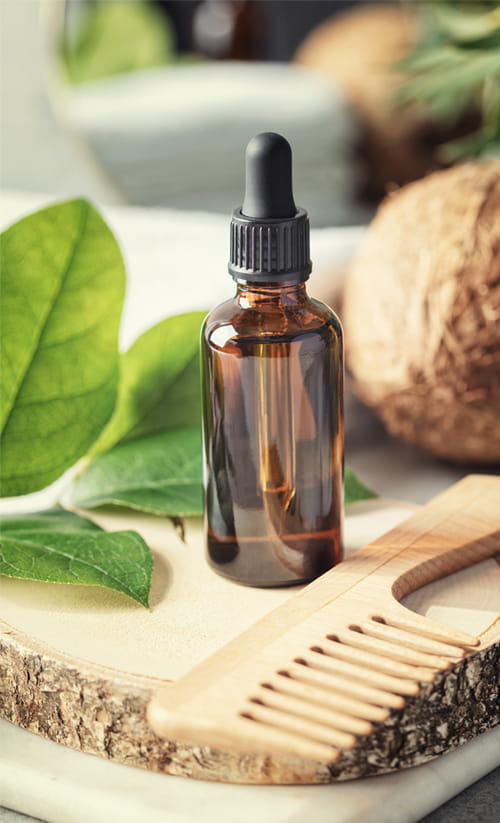
6. Moisturize with Oils or Serums
Add extra moisture to your hair with nourishing oils or leave-in serums. Coconut and argan oil are both great choices, as they deeply hydrate and protect your hair from dryness. Apply a few drops of these winter haircare products to your slit ends to keep them hydrated.
7. Drink Plenty of Water and Eat a Balanced Diet
Healthy hair starts from what you put inside your body. During winter, we usually don’t remember to hydrate, but drinking enough water is a must for healthy hair.
Additionally, a diet rich in vitamins, such as omega-3 fatty acids, vitamin E, and Biotin can support hair growth and overall hair health.
8. Get Regular Trims
Winter weather can cause split ends and breakage, so it’s important to keep your hair trimmed. Timely trims help prevent damage from going up the hair shaft, leading to your hair looking healthy and full.
9. Avoid Stepping Out with Wet Hair
Never step out of the house with wet hair in cold weather. Wet hair is more prone to breaking and can freeze in freezing temperatures, causing it to become brittle. Dry your hair completely before heading out or opt for a cozy scarf to keep it covered.
10. Consider Using a Humidifier
Indoor heating can contribute to the drying effect on your hair. A humidifier increases moisture in the air, helping to keep your hair from becoming dry due to low humidity. This is especially helpful during long, heated indoor periods in winter.
If you have been asking yourself, how do I keep my hair healthy and not dry? We have the answer for you below.
Haircare for Winter by Hair Type

As the cold months set in, your haircare routine may need to be adjusted to address the specific needs of your hair type.
Whether your hair is curly, straight, fine, or thick, understanding how winter impacts your hair will help you create a tailored routine to keep your locks healthy and hydrated.
Here are some winter haircare tips especially catered to your hair type for healthy hair during winters:
|
Hair Type |
Characteristic |
Recommendations |
| Curly Hair | Naturally drier, prone to frizz and breakage in winter. |
|
| Straight Hair | Tends to lose moisture quickly, may become dry and flat in winter. |
|
| Fine Hair | Gets weighed down by heavy products, may look greasy easily. |
|
| Thick Hair | Can become dry and frizzy in winter; requires heavier products. |
|
How to Keep Your Scalp Healthy During Winter
Winter weather and indoor heating can dry out the scalp, leading to problems like dandruff, irritation, and flakes.
Scalp care is crucial to maintaining healthy hair during the colder months. Here’s how you can keep your scalp nourished and free from common winter-related issues.
| Scalp Issu | Recommendations |
| Dryness and Flakiness |
|
| Dandruff |
|
| Hair fall |
|
The Role of Diet and Hydration in Winter Haircare
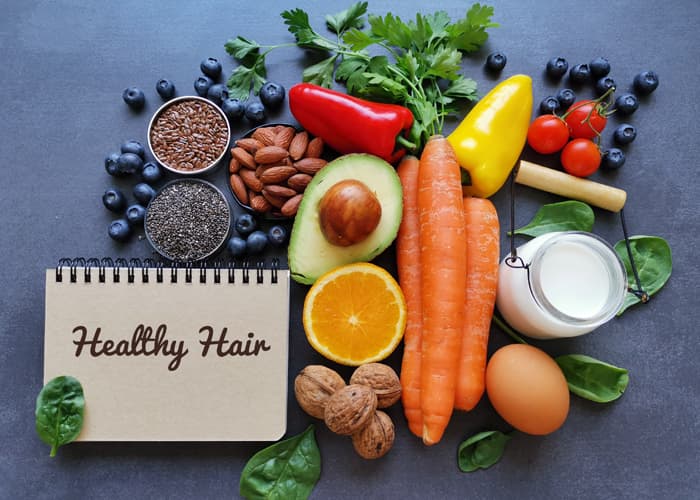
What you put in your body has more impact on your hair than the products you use on it.In winter, it’s essentialt to stay hydrated and eat foods that support hair health.
Here’s how diet and hydration play a crucial role in maintaining healthy hair throughout the colder season.
|
Nutritional Aspect |
Role in Hair Care |
Best Foods and Recommendations |
| Water | Dehydration can make hair brittle, dry, and prone to breakage in winter. | Drink at least 8 glasses of water/day.
Eat water-rich foods like tomatoes, spinach and bell peppers. |
| Omega-3 Fatty Acids | Essential for hair nourishment, prevents dryness and promotes shine. | Salmon, walnuts and flaxseeds are good sources of omega-3s. |
| Biotin | Supports hair growth and prevents thinning or hair loss. | Include biotin-rich foods like eggs, almonds, and sweet potatoes. |
| Vitamin E & Antioxidants | Protects hair from oxidative stress and environmental damage. | Consume vitamin E-rich foods like avocados, spinach, and berries. |
| Zinc | Vital for scalp health and preventing hair thinning. | Have foods like pumpkin seeds, chickpeas, and lentils which are rich in zinc. |
| Supplements | Supplementing can help fill any nutritional gaps during the winter months. | Consider taking biotin, vitamin D, or fish oil for extra support. |
Takeaway
Winter haircare is all about moisturizing, protecting, and nourishing your hair. By using these easy tips, you can keep your hair hydrated, strong, and shiny throughout the colder months.
Incorporate these habits into your routine, and your hair will thank you with a healthy, vibrant shine that lasts all season long!
FAQs
1) How does cold weather affect hair?
Cold, dry weather can remove moisture from your hair, making it dry and fragile. It can also make the scalp dry and flaky, which may result in dandruff and hair loss. This loss of moisture can make your hair more susceptible to breakage, especially if it’s already fine or chemically treated.
2) How can I prevent hair fall in winter?
To prevent hair fall, avoid heat styling, minimize hair washing, and keep your scalp hydrated. A nourishing shampoo, regular trims, and a healthy diet can also help. You can also consider using a humidifier to maintain moisture in the air and protect your hair from excessive dryness.
3) Can wearing hats cause hair loss in winter?
Wearing hats in winter can cause friction against your hair, potentially leading to breakage, but it doesn’t directly cause hair loss. Tight hats or scarves can also restrict blood flow to the scalp if worn too snugly, potentially affecting hair growth over time.
4) How often should I wash my hair in winter?
In winter, it’s best to wash your hair less frequently to preserve its natural oils and prevent it from becoming dry. Washing your hair 2-3 times a week is often sufficient, depending on your hair type.