
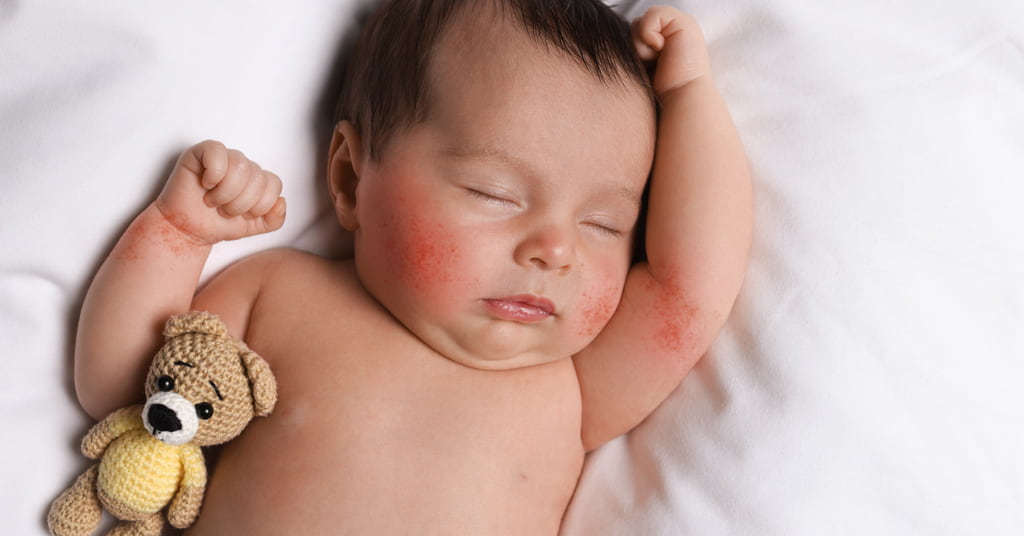
As a parent, seeing your baby develop a rash can be worrying. However, skin rashes in babies are quite common and often harmless.
Understanding the different types of rashes and their causes can help you take the right steps in caring for your little one.
In this blog, we will discuss the types of baby rashes, their causes, baby skin rashes treatment, and preventive measures.
Highlights
- What are Skin Rashes?
- What Are the Common Rashes in Babies?
- When to Worry About Rash on Child?
- Preventing Rashes in Babies
- Takeaway
- FAQs
What are Skin Rashes?
A skin rash in babies occurs when their skin becomes red, inflamed, and bumpy. It may also be dry, itchy, or cause discomfort. Several factors can trigger rashes in babies, including infections, allergens, bacteria, and conditions like eczema.
What Are the Common Rashes in Babies?

Babies’ skin is delicate and sensitive, which makes them more prone to developing rashes. Here are some of the most common causes:
1. Diaper Rash
Diaper rash is one of the most common rashes seen in babies. It usually occurs when your baby’s skin comes into prolonged contact with wet diapers. This causes irritation and redness, often in the diaper area.
What does it look like: Red, inflamed skin, especially in the diaper area.
2. Eczema (Atopic Dermatitis)
Eczema is a condition that causes the skin to become red, itchy, and inflamed. Eczema can be triggered by allergens such as milk, cold weather, or certain soaps.
What does it look like: A reddish rash over the scalp, body and face, often itchy
3. Cradle Cap
Cradle cap is an inflammatory condition that typically affects newborns. Sebaceous glands in the scalp produce sebum, which lubricates the skin. After birth, babies are believed to have elevated maternal hormones for weeks or months, which enlarge these glands and increase sebum production. A substance in the sebum, still unidentified, is thought to trigger skin inflammation.
What does it look like: Yellowish, greasy scales on the scalp
4. Heat Rash (Prickly Heat)
Babies are prone to heat rash, especially in warmer weather. This rash appears as small red bumps on the skin, caused by blocked sweat glands. A heat rash usually affects areas where the skin is folded, such as the neck, chest, and diaper area.
What does it look like: Red, tiny bumps, often in skin folds
5. Contact Dermatitis
This rash occurs when your baby’s skin comes into contact with something that irritates it, such as certain soaps, lotions, or fabrics.
What does it look like: The rash often appears as red, itchy patches on the skin.
6. Viral Rashes
Several viral infections can cause skin rashes in babies. These include conditions like fifth disease, roseola, rubella, chickenpox, hand, foot, and mouth disease and measles etc. These rashes are typically accompanied by other symptoms like fever, fatigue, or swelling.
What does it look like: Red spots raised or flat, often with fever.
7. Bacterial Rashes
Conditions like scarlet fever and impetigo are bacterial infections that can cause rashes in babies. These rashes are often red and inflamed, and in the case of impetigo, blisters may form that burst and scab over.
What does it look like: Red, swollen patches may form blisters.
8. Fungal Infections
Ringworm is a common fungal infection in babies. It appears as a red, ring-shaped rash that can spread to different parts of the body. It can be seen more commonly on your baby’s face, groin area, and scalp.
What does it look like: Round, red ring-shaped rash with a clear center.
When to Worry About Rash on Child?
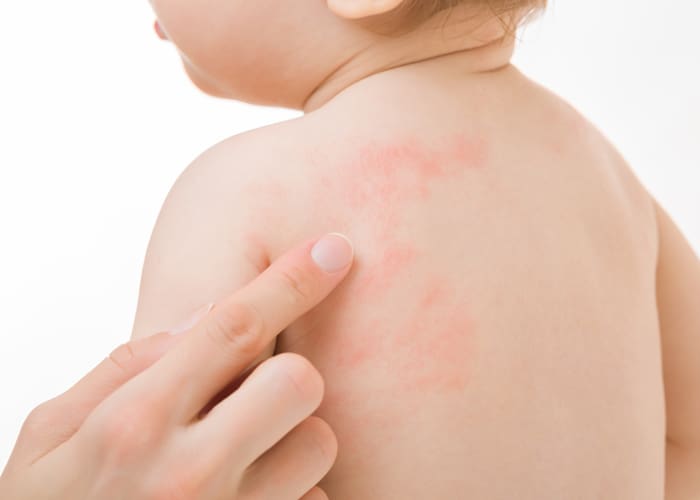
Most babies will experience diaper rash at some point, and other skin conditions can also cause rashes. Rashes that last a few hours or days are usually not serious. However, it’s important to consult a healthcare professional if you observe the following signs and symptoms in your baby.
- The rash spreads quickly or covers a large area of the body.
- The rash is accompanied by a fever.
- Your baby is in pain or seems unusually irritable.
- The rash is noticeably puffy, looks infected, or develops blisters that burst.
- Your baby is having trouble breathing or seems lethargic.
If you are unsure about the cause of your baby’s rash, or if the rash doesn’t improve with home treatment, it’s always best to consult a pediatrician.
Want to know how do you treat a baby’s skin rash? Read below to find out.
Preventing Rashes in Babies
While you can’t prevent all rashes, here are some tips to reduce the risk of common skin issues in babies:
- Keep your baby clean and dry, especially in the diaper area.
- Use gentle, fragrance-free skincare products like soaps, shampoos and creams designed for babies, as harsh chemicals can irritate their sensitive skin.
- Occasionally massage your baby’s head with good baby hair oil.
- Dress your baby appropriately for the weather to avoid overheating and heat rashes.
- Change diapers regularly and use a good barrier cream to protect the skin from moisture.
- Ensure your baby’s environment is clean and comfortable, with proper ventilation to prevent excessive sweating.
Always consult your doctor or pediatrician for the proper treatment and diagnosis to ensure your baby’s health
Takeaway
Skin rashes in babies are common and often temporary. Understanding the causes, symptoms, and treatment options can help you provide the best care for your little one.
Early treatment can help your baby feel better and heal faster. If you’re ever unsure, don’t hesitate to reach out to a pediatrician for guidance.
FAQs
1) What is the most common rash in babies?
Diaper rash is the most common rash in babies, usually caused by prolonged contact with wet diapers. It can lead to redness and irritation, primarily in the diaper area. Keeping the area dry and using gentle products can help prevent it.
2) How can I prevent diaper rash?
To prevent diaper rash, change your baby’s diaper frequently, keep the diaper area clean and dry, and apply a protective barrier cream. Use soft, absorbent diapers to reduce irritation. Also, allow your baby some diaper-free time to let the skin breathe.
3) When should I be concerned about a rash?
If the rash spreads rapidly, is accompanied by a fever, causes severe discomfort, or doesn’t improve with home treatment, it’s important to consult your pediatrician for further advice. In some cases, a rash may signal an underlying infection or condition.
4) Can I use over-the-counter creams for my baby’s rash?
It’s best to consult your pediatrician before using over-the-counter creams, as some treatments may not be suitable for your baby’s sensitive skin. Your pediatrician can recommend the safest and most effective treatment for your baby’s rash.