
Stretch marks are one of those common skin conditions that almost everyone will experience at some point in their life. While they’re harmless, they can be a source of frustration for many, leading people to search for ways to reduce or eliminate their appearance.
Whether you’re dealing with stretch marks after pregnancy, weight fluctuations, or even rapid muscle growth, understanding the causes, prevention strategies, and treatment options can help you feel more confident in your skin.
In this blog, we’ll take a deep dive into everything you need to know about stretch marks, how they form, and the best ways to manage them.
Highlights
- What Are Stretch Marks?
- Causes of Stretch Marks
- How to Prevent Stretch Marks
- Treatment Options for Stretch Marks
- Take Away!
- FAQs
What Are Stretch Marks?
Stretch marks, medically known as “striae,” are a type of scar that forms when the skin is stretched rapidly due to various factors. The skin’s natural collagen and elastin fibers break down, leading to thin, streaky marks on the surface of the skin.
Initially, stretch marks can appear red, purple, or dark brown, but over time, they tend to fade to a lighter or silvery colour. While they can appear anywhere on the body, the most common areas include the abdomen, thighs, hips, breasts, and arms.
Causes of Stretch Marks
Understanding the causes of stretch marks can help you take the right steps to prevent or reduce them. Here are the main factors that contribute to the development of stretch marks:
1. Rapid Weight Gain or Loss
One of the most common causes of stretch marks is rapid weight gain or loss. When the skin is stretched too quickly, it can’t adjust fast enough, which leads to tears in the skin’s supportive layers. This can occur with sudden weight fluctuations, such as during pregnancy or after a major lifestyle change.
2. Pregnancy
Pregnancy is one of the most well-known triggers for stretch marks. As the belly grows to accommodate the growing baby, the skin stretches, leading to marks, especially in the later stages of pregnancy. Many women also develop stretch marks on the breasts, thighs, and hips during this time.
3. Puberty
During puberty, both boys and girls experience rapid growth and hormonal changes. The growth spurts that occur during this time can lead to the development of stretch marks on the body, especially on the thighs, hips, and back.
4. Hormonal Changes
Hormonal fluctuations, especially an increase in the hormone cortisol, can weaken the skin’s elasticity. This makes the skin more prone to developing stretch marks, particularly during times of stress, pregnancy, or the use of corticosteroid medications.
5. Genetics
Your genetic makeup can also play a role in whether you develop stretch marks. If your family members have a history of stretch marks, you may be more likely to experience them as well.
6. Medical Conditions
Certain medical conditions, like Cushing’s syndrome, Marfan syndrome, and Ehlers-Danlos syndrome, can cause the skin to stretch excessively or weaken its natural elasticity, making stretch marks more likely.
How to Prevent Stretch Marks
While stretch marks are often unavoidable, especially during pregnancy or rapid growth periods, there are steps you can take to minimize their appearance or reduce the likelihood of developing them:
1. Maintain a Healthy Weight
One of the best ways to prevent stretch marks is to maintain a steady weight. Gradual weight gain or loss gives your skin time to adjust and helps prevent it from stretching too quickly. Try to focus on a balanced diet that includes healthy fats, proteins, and plenty of water to keep your skin supple.
2. Stay Hydrated
Drinking plenty of water keeps your skin hydrated and elastic. Well-hydrated skin is less likely to develop stretch marks, as it can stretch and adapt to changes more easily. Aim to drink at least 8 cups of water a day to keep your skin in top condition.
3. Use a Stretch Mark Cream
Many people swear by using stretch mark creams to help prevent the formation of stretch marks. These creams often contain ingredients like cocoa butter, shea butter, and Vitamin E, which are known for their skin-moisturizing and skin-healing properties.
Applying these creams regularly, especially in areas prone to stretching, can help keep your skin nourished and elastic.
4. Practice Gentle Stretching
Maintaining your skin’s elasticity is key when preventing stretch marks. Gentle stretching exercises or massages can promote blood circulation and improve the skin’s flexibility. Regularly massaging stretch mark cream or oils into your skin can also help increase circulation, making it less likely for the skin to tear when it’s stretched.
5. Avoid Tight Clothing
Wearing tight clothing that constricts your skin can make it harder for your body to adjust to changes. Try to avoid wearing overly tight clothing, especially around areas where stretch marks are common, like the abdomen and thighs. Loose-fitting clothes give your skin room to stretch naturally.
Treatment Options for Stretch Marks
If you already have stretch marks, don’t worry—there are various treatment options available to help improve their appearance. While no treatment can guarantee complete stretch mark removal, the following options can help reduce their visibility:
1. Topical Treatments (Stretch Mark Creams and Oils)
One of the first steps in managing stretch marks is applying a stretch mark cream or oil regularly. Many of these products contain ingredients like hyaluronic acid, retinoids, or centella asiatica, which are known to stimulate collagen production and improve skin elasticity.
Consistent use of these products can help fade stretch marks over time, though results vary from person to person.
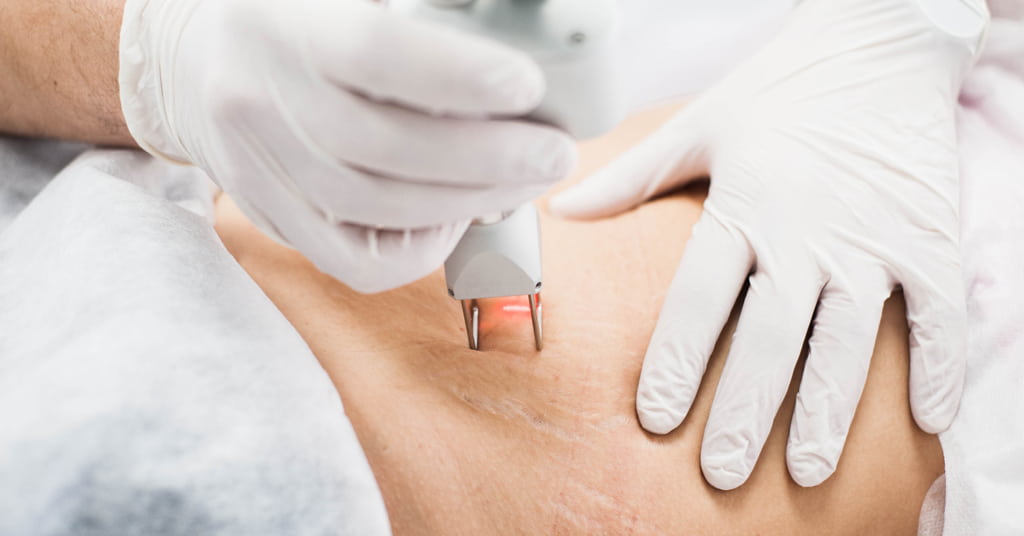
2. Laser Therapy
Laser treatments, such as fractional CO2 or pulsed dye lasers, can help stimulate collagen production and reduce the appearance of stretch marks. Laser therapy works by targeting the deeper layers of the skin to promote healing and improve skin texture.
While laser treatments can be effective, they may require multiple sessions, and results can take some time to show.
3. Microdermabrasion
Microdermabrasion is a non-invasive treatment that involves gently exfoliating the skin to remove dead cells and promote new cell growth. This can help improve the texture and appearance of stretch marks. Multiple treatments are typically needed, but it can be an effective option for mild to moderate stretch marks.
4. Chemical Peels
Chemical peels use exfoliating acids to remove the top layer of skin and encourage collagen production. By stimulating the skin’s natural healing process, chemical peels can help fade stretch marks and improve skin texture. It’s best to consult with a dermatologist to determine which type of peel is most suitable for your skin.
5. Microneedling
Microneedling involves tiny needles that create micro-injuries in the skin, triggering the body’s natural healing response. This can lead to improved collagen production and a reduction in the appearance of stretch marks. Like other treatments, microneedling requires multiple sessions, and results are gradual.
Take Away!
While stretch marks are a completely normal part of life, there are steps you can take to reduce their appearance or prevent them altogether. By maintaining a healthy weight, staying hydrated, and using a good stretch mark cream, you can keep your skin in its best shape and minimize the impact of these marks. For those who already have stretch marks, treatments like laser therapy, microdermabrasion, and topical creams can help improve the look of your skin.
Remember, stretch marks don’t define your beauty. Whether you choose to treat them or embrace them, your skin is a reflection of your unique journey, and caring for it should always be about feeling comfortable and confident in your own skin.
FAQs
1. Can stretch marks be removed?
Stretch marks cannot be completely removed, but they can be reduced in appearance. Treatments like laser therapy, microdermabrasion, and retinoid creams can help improve their look by stimulating collagen production and enhancing skin texture.
2. How to remove stretch marks permanently?
While there’s no permanent removal of stretch marks, consistent treatments can significantly reduce their visibility. Options like laser therapy, microneedling, and chemical peels can fade stretch marks over time by promoting skin renewal and collagen production.
3. Are stretch mark creams effective?
Stretch mark creams containing ingredients like hyaluronic acid, Vitamin E, and retinoids can help improve the elasticity of the skin and fade the marks. Regular use is essential for the best results, although individual results may vary.
4. What causes stretch marks to appear?
Stretch marks occur when the skin is stretched rapidly, causing the collagen and elastin fibers to tear. Common causes include pregnancy, rapid weight gain or loss, puberty, and hormonal changes. Genetics also play a role in whether you develop them.
5. Is laser treatment the best option for stretch marks?
Laser treatments, like fractional CO2 or pulsed dye lasers, are effective for reducing the appearance of stretch marks by stimulating collagen production. However, multiple sessions may be required for noticeable results, and they can be expensive.