
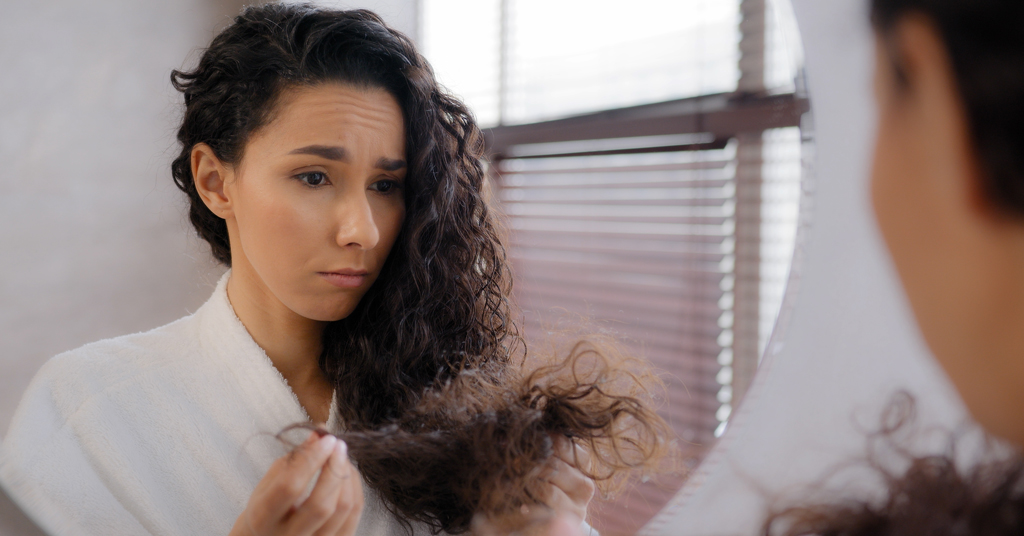
The Frustration of Hair Everywhere—Except Where You Want It!
You run your fingers through your hair, and there it is—yet another handful of strands clinging to your palm. Your shower drain? Clogged. Your pillow? Covered in stray hairs. Your confidence? Slowly slipping away. If this seems all too familiar, you’re certainly not alone. Hair fall is a common struggle, and while some shedding is normal, excessive hair loss can leave you feeling frustrated and stressed.
But before you start panicking or experimenting with every trending hair growth remedy, let’s dive into what science says about hair fall, why it happens, and what you can actually do about it.
Highlights
- Understanding Hair Fall: What’s Normal and What’s Not?
- Why Is Your Hair Falling Out?
- How to Reduce Hair Fall?
- Can Natural Remedies Help?
- The Bottom Line
- FAQs
Understanding Hair Fall: What’s Normal and What’s Not?
Shedding about 50–100 strands per day is completely normal. Your hair follows a natural growth cycle with three phases:
- Anagen (Growth Phase): Lasts 2–6 years; about 85%–90% of your hair is actively growing in this phase.
- Catagen (Transition Phase): Lasts 2–3 weeks; the hair follicle shrinks and loses connection with the blood vessels.
- Telogen (Resting Phase): Lasts 3–4 months; old strands shed out, paving the way for new growth.
But if your hair is thinning faster than usual or feels noticeably sparse, it’s time to dig deeper. So, let’s get to the root of it!
Why Is Your Hair Falling Out?
You may be pondering, “What’s causing my hair to fall out so much?”. Let’s break down the common culprits:
1. Hormonal Changes
The health of your hair is strongly affected by hormones. But when they go off balance due to pregnancy, thyroid issues, menopause, or even birth control pills, your hair starts thinning out unexpectedly.
2. Stress
Stress isn’t just exhausting—it can take a serious toll on your hair, too! When you’re constantly under stress, your body pumps out huge amounts of cortisol (the stress hormone). High cortisol levels can push more hair follicles into the telogen phase, making hair loss even worse. So, if your hair is falling out faster than usual, it might be time to check your stress levels!
3. Nutritional Deficiencies
Strong, healthy hair isn’t just about fancy products—it starts from within! Your hair craves essential nutrients like biotin, iron, zinc, protein, and vitamin D to thrive. When these are missing, the hair follicles weaken, triggering excessive shedding and delayed new growth.
- Low protein? Hair strands become brittle.
- Iron deficiency? Oxygen supply to follicles drops.
- ️Not enough vitamin D? Hair growth slows down.
If your hair feels thinner, weaker, or lifeless, your diet can be the missing piece of the puzzle!
4. Over Styling & Chemical Damage
Love sleek styles and bold colors? Frequent heat styling, bleaching, tight hairstyles, and chemical treatments may give you instant glam. But, they also weaken your hair shaft and fuel breakage, split ends, and thinning over time.
- Heat tools? Strips moisture, making hair dry and brittle.
- Bleaching & dyes? Damage the cuticle, causing breakage.
- Chemical treatments? Weaken hair structure, leading to fallout.
So, if your hair is looking lifeless or snapping easily, it might be time to give it a break and show it some deep-conditioning love!
5. Genetics
If thinning hair seems to be a family trait, genetics might be at play! Androgenetic alopecia (male or female pattern baldness) is the primary cause of hereditary hair loss, leading to gradual thinning over time.
- Women may observe a widening part or overall thinning.
- For men, a receding hairline or bald areas are often the first signs.
While you can’t change your DNA, early intervention—from targeted treatments to lifestyle changes—can help slow the process and keep your hair stronger for longer!
6. Underlying Medical Conditions & Medications
Hair fall reason isn’t always about genetics or lifestyle—sometimes, it’s your health or medications that are behind the thinning strands!
- Autoimmune Conditions: If you’re dealing with alopecia areata, your immune system might be attacking your hair follicles, causing unexpected patchy hair loss.
- Medications: If you’re taking medicines for blood pressure, depression, or chemotherapy, hair loss could be a possible side effect.
- Scalp Troubles: Dandruff or fungal infections can mess with your scalp’s health, making hair weak and prone to falling out.
How to Reduce Hair Fall?
1. Optimize Your Diet
Your hair needs the right nutrients to thrive! So, go for protein-rich foods like eggs, fish, and lentils to strengthen your strands. Don’t skip iron—leafy greens, nuts, and seeds keep your roots strong. Omega-3s from walnuts and flaxseeds add shine, while biotin from almonds and sweet potatoes promotes growth. Staying hydrated is key, so make sure to drink plenty of water! Say goodbye to crash diets—they starve your hair too. A balanced, nutrient-packed plate is your secret to thicker, healthier locks.
2. Minimize Stress & Get Enough Sleep
Stress and lack of sleep can wreak havoc on your hair! High cortisol levels (the stress hormone) can trigger hair fall, while lack of sleep messes with your body’s ability to repair and grow healthy strands.
- De-stress daily: Try mindfulness, yoga, or meditation to keep stress in check. Even a brief walk or deep breathing can help!
- Prioritize sleep: Ditch the late-night scrolling and aim for 7–9 hours of good-quality restful sleep. While you sleep, your body concentrates on repairing and revitalizing itself, and that includes your hair too!
A relaxed mind and well-rested body foster the perfect environment for gorgeous hair. Less stress, better sleep, stronger hair—it’s that simple!
3. Use Mild, Sulfate-Free Hair Products
Your shampoo could be secretly sabotaging your hair! Harsh formulas strip away natural oils, leaving your scalp dry and your strands weak.
- Go gentle: Choose sulfate-free and paraben-free hair fall control shampoos that cleanse without over-drying.
- Look for hair-loving nourishing ingredients: Shampoos with keratin, argan oil, or peptides help strengthen and hydrate your strands from root to tip.
- Protect your scalp: A healthy scalp means healthy hair—avoid products with harsh chemicals that can cause irritation.
Switching to mild, hair-friendly products can make a big difference in keeping your locks strong, shiny, and resilient!
4. Avoid Over Styling & Heat Damage
We all love a good styling session, but too much heat and harsh styling can seriously harm your hair over time. Overusing tools like flat irons, curling wands, or chemical treatments weakens your strands and leads to breakage. Want fabulous hair? Here’s how to keep it that way without damage!
- Limit heat styling. Try to decrease the use of heat tools like curling irons and straighteners to keep hair healthy.
- Never skip a heat protectant spray before styling—it forms a barrier to safeguard your hair from the heat.
- Choose loose hairstyles instead of tight buns or ponytails to avoid unnecessary stress on your hair follicles, which can cause breakage and thinning.
5. Consider Scalp Treatments & Oils
When it comes to hair growth, we often obsess over shampoos, conditioners, and fancy serums—but what about the scalp? Your scalp deserves the same love as your strands. Hair fall control is possible. Treat it with nourishing scalp treatments and hair oils that boost growth and reduce hair fall.
A simple scalp massage with rosemary oil, coconut oil, or castor oil can enhance circulation and foster new growth. These hair fall control oils nourish follicles, keeping them strong and hydrated. A weekly scalp detox with aloe vera or tea tree oil can clear the buildup and keep your follicles happy. Healthy hair starts with a healthy scalp—so pamper it, and watch your locks flourish.
6. Consult a Dermatologist
Still struggling with hair fall despite all the right care? It’s time to visit a dermatologist! Hair loss can have deeper causes that need expert attention. A dermatologist can pinpoint the root cause and recommend treatments like:
- Minoxidil: This is a popular over-the-counter treatment that boosts blood flow to your hair follicles, helping regrow hair, especially in the early stages of thinning.
- Finasteride: It is a popular treatment for hair loss, especially in men. It helps block dihydrotestosterone (DHT; the main culprit behind thinning hair), helping to slow hair loss and even promote regrowth.
- Platelet-rich plasma (PRP) therapy: It involves taking a small sample of your blood, extracting the growth factors, and then injecting them back into your scalp to kickstart hair regrowth. A natural, no-fuss way to promote thicker, healthier hair!
- Microneedling: It uses tiny needles to create small wounds on your scalp, which boosts collagen production and hair growth. It works even better when paired with minoxidil.
- Laser therapy: It is a buzzworthy option for hair loss, using low-level light to stimulate hair follicles and boost growth. It’s painless as well as non-invasive.
- Hair transplant: If hair loss is advanced, a hair transplant can help restore your hair by moving healthy follicles from one part of your scalp to areas that need them most.
Each of these hair fall solutions has its pros and cons, so it’s worth chatting with a doctor to find the best fit for your hair goals! Don’t wait until it gets worse—early intervention can save your strands! Your hair deserves expert care, so book that appointment and take control of your hair health today!
Can Natural Remedies Help?
If you prefer a more natural approach, there are some remedies that might give your hair a boost (though results can vary):
- Onion Juice: It’s rich in sulfur and could help with hair growth when you apply it to your scalp.
- Rosemary Oil: Some studies show it might work just as well as minoxidil for regrowing hair.
- Aloe Vera: It’s great for soothing your scalp and could help with hair loss caused by dandruff.
- Caffeine Shampoos: Caffeine might help stimulate hair follicles and reduce shedding.
Give these a try with a little patience—you might just notice your hair feeling healthier!
The Bottom Line
If you’re experiencing excessive hair fall, don’t ignore it! Early intervention is key. The causes of hair fall are many. So, the best approach is to identify the root cause and tackle it with a suitable hair fall treatment.
Making simple lifestyle and hair care tweaks can go a long way in boosting your hair health. Whether it’s eating a more balanced diet, reducing stress, or using the right products, consistency is key. Be patient, trust the process, and give your hair the love it deserves!
FAQs
1. What are the first signs of excessive hair fall?
Excessive shedding, noticeable thinning around the hairline, and finding more hair in your brush, shower, or pillow are all early signs of hair fall. If you’re noticing these, it’s time to prioritize your hair’s health!
2. Can dandruff cause hair fall?
Yes, dandruff can lead to hair fall! The itching and irritation can cause you to scratch, which may damage your scalp and hair. Plus, an unhealthy scalp can slow down hair growth. For strong hair, it’s super-important to keep your dandruff under control.
3. Can diet alone stop hair loss?
Diet alone can’t completely stop hair loss. A nutrient-rich diet supports hair health, but if hair loss is due to genetics, hormones, or medical conditions, additional treatments may be needed.
4. Does washing hair daily cause hair fall?
Washing your hair daily doesn’t directly cause hair fall, but it can make your hair dry and prone to breakage if you’re using harsh shampoos. Washing your hair too often can strip away its natural oils, which are important for healthy hair. It’s all about discovering the correct balance and using gentle products!
5. Do natural remedies really work for hair fall?
Natural remedies can definitely help support your hair’s health. But, they might not be a quick fix for hair fall. Ingredients like rosemary oil, aloe vera, and onion juice may promote growth and improve scalp health over time. However, results vary from person to person, so it’s best to combine them with a healthy lifestyle and proper hair care routine.