
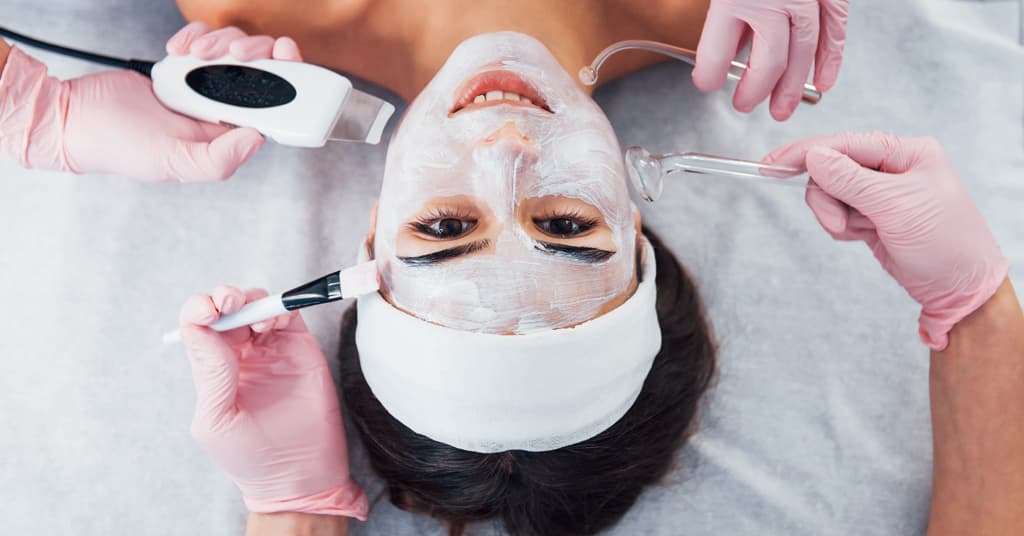
Chemical peel treatments have become one of the most trusted solutions for people chasing smoother, brighter, and healthier skin. Despite shelves full of skincare products promising miracles, dullness, pigmentation, acne scars, and uneven texture remain stubborn concerns. The issue is not effort—it is skin biology.
As skin renewal slows with age and environmental damage, topical products alone struggle to create meaningful change. This is where a well-planned chemical peel treatment steps in, working below the surface to reset skin renewal cycles.
This blog explains how chemical peels rejuvenate the skin, the science behind different peel types, and how often they should be done to maintain a smooth, youthful complexion. It helps readers plan a safe, effective, long-term skincare routine instead of relying on occasional treatments.
Keep reading to explore the science, timing, and long-term value of chemical peeling.
Highlights
- The Core Science of Chemical Peeling
- Understanding Skin Layers and Peel Depth
- Light Chemical Peels: The Foundation of Maintenance Care
- Glycolic Acid Peels (AHA)
- Salicylic Acid Peels (BHA)
- Medium-Depth Peels: Corrective Power
- TCA Treatments: Structural Skin Remodeling
- Preparation Before a Chemical Peel
- Recovery and Healing Timeline
- Chemical Peel Scheduling for Long-Term Results
- Future Trends in Chemical Peeling
- Final Thoughts
- FAQs

The Core Science of Chemical Peeling
A chemical peel, also known as chemexfoliation or derma peeling, is a dermatologist-guided procedure that uses controlled chemical solutions to exfoliate the skin. These solutions dissolve the bonds holding dead skin cells together, allowing damaged layers to shed in a predictable manner. This controlled injury activates the skin’s natural repair mechanisms, including increased cell turnover, collagen synthesis, and improved pigment distribution.
Modern chemical peels are far removed from aggressive exfoliation myths. Dermatology-backed protocols focus on precision, pH level, and formulation synergy. Studies indexed in PubMed confirm that properly spaced peels improve epidermal thickness, reduce hyperpigmentation, and enhance skin barrier recovery when combined with post-peel care. The goal is not aggressive in peeling—it is consistent stimulation that trains the skin to renew efficiently.
Understanding Skin Layers and Peel Depth
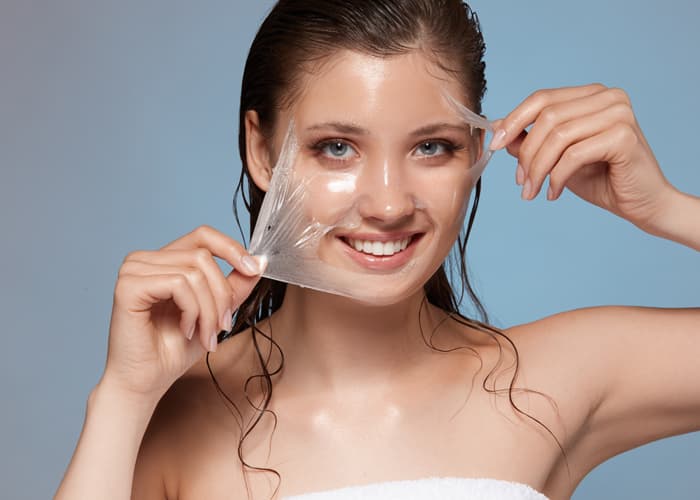
Human skin is composed of three primary layers: epidermis, dermis, and subcutaneous fat. Chemical peels are categorized based on how deeply they penetrate these layers. Each depth serves a different purpose and follows a different recovery timeline.
Peel Depth | Skin Layer Targeted | Main Purpose | Maintenance Frequency |
Light | Epidermis | Brightness, acne control | Every 4–6 weeks |
Medium | Upper dermis | Pigmentation, fine lines | Every 3–6 months |
Deep | Mid dermis | Scars, severe aging | Once every few years |
Depth selection depends on skin type, aging signs, and overall goals. Dermatologists consistently emphasize that deeper peels are not routine treatments. Maintenance peels are usually light or medium, performed strategically to prevent damage accumulation.
Light Chemical Peels: The Foundation of Maintenance Care
Light or superficial peels focus on the outermost layer of the skin, known as the stratum corneum. These peels commonly use alpha-hydroxy acids (AHAs) and beta-hydroxy acids (BHAs) to gently exfoliate dead skin cells without significant downtime. They are suitable for almost all skin types and tones when properly selected.
Glycolic Acid Peels (AHA)
Glycolic acid is one of the most widely researched AHAs in dermatology. Due to its small molecular size, it penetrates efficiently and promotes uniform exfoliation. Glycolic peels improve dullness, uneven texture, fine lines, and early pigmentation while enhancing collagen signaling.
From a biochemical perspective, glycolic acid disrupts ionic bonding between corneocytes, accelerating desquamation and improving epidermal turnover. Dermatologist-supported products that show monthly glycolic peels improve skin radiance without compromising barrier integrity when post-care is followed.
- Normal to dry skin
- Early signs of aging
- Uneven texture and dull tone
“Consistent exfoliation trains skin to behave younger.”
Salicylic Acid Peels (BHA)
Salicylic acid is a lipid-soluble beta-hydroxy acid, making it particularly effective for oily and acne-prone skin. Unlike AHAs, it penetrates oil-filled pores, targeting inflammation and congestion at the source.
Chemically, salicylic acid breaks down follicular debris while reducing inflammatory mediators. PubMed-indexed research supports its effectiveness in acne reduction and oil regulation when used in controlled peel protocols. Maintenance of salicylic peels is typically performed every 6–8 weeks.
Ideal for:
- Acne-prone skin
- Oily skin types
- Enlarged pores and blackheads
Modern formulations now include calming peptides and microbiome-supportive ingredients to reduce post-peel irritation.
Medium-Depth Peels: Corrective Power
Medium-depth peels penetrate deeper into the epidermis and reach the upper dermis. These peels are commonly used to treat wrinkles, age spots, acne scars, and persistent hyperpigmentation. They often use a combination of glycolic acid, lactic acid, salicylic acid, or trichloroacetic acid (TCA).
These peels initiate stronger collagen remodeling and require longer recovery. Dermatologists typically space medium peels every 3–6 months, allowing full dermal repair before repetition. Overuse at this level increases the risk of barrier disruption and post-inflammatory pigmentation.
TCA Treatments: Structural Skin Remodeling
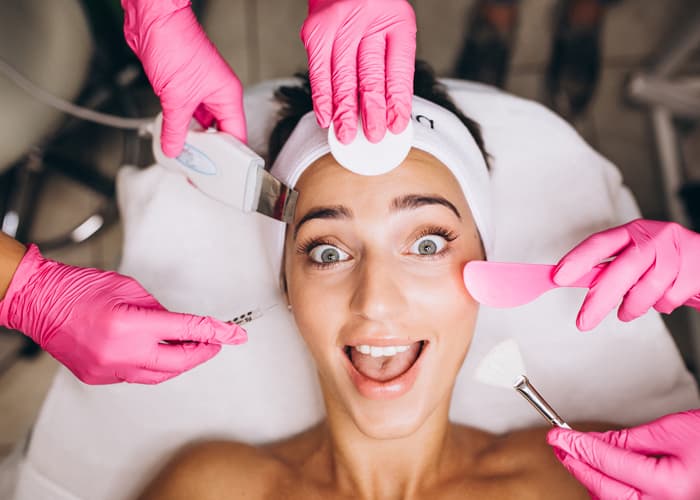
Trichloroacetic acid (TCA) chemical peels represent a powerful tool in dermatologic resurfacing. Unlike AHAs and BHAs, TCA causes controlled protein coagulation, triggering deep regenerative processes within the skin. This stimulates fibroblast activity and significant collagen production.
TCA peels are used for acne scars, melasma, severe sun damage, and deeper wrinkles. Due to their intensity, these treatments are typically performed once or twice a year—or even less frequently. New-generation TCA formulations now combine lower concentrations with regenerative peptides to reduce downtime and improve safety.
“True skin remodeling requires patience and precision.”
Preparation Before a Chemical Peel
Proper preparation significantly improves peel outcomes and reduces complications. Dermatologists typically assess skin history, medication use, and scarring tendencies before treatment.
Key preparation guidelines include:
- Avoiding isotretinoin (Accutane) for at least six months
- Discontinuing retinoids 48 hours before treatment
- Avoiding exfoliants and waxing one week prior
- Using sunscreen consistently before the peel
Patients with a history of cold sores may be prescribed antiviral medication to prevent outbreaks.
What Happens During the Procedure
Chemical peels are in-clinic procedures performed under professional supervision. The skin is cleansed thoroughly, and protective eye coverings are applied.
- Light peels: Acid is applied using a gauze or a brush and neutralized shortly after.
- Medium peels: Solutions such as glycolic or TCA are applied carefully, sometimes producing a cooling or tingling sensation.
- Deep peels: Performed in stages with sedation and cardiac monitoring due to their intensity.
Recovery and Healing Timeline

Recovery varies by peel depth. Protective ointments and strict sun protection are essential.
Light peels:
- Healing: 1–7 days
- Minimal peeling, quick return to routine
Medium peels:
- Healing: 10–14 days
- Antivirals, daily soaks, and sun avoidance required
Deep peels:
- Healing: Several weeks
- Long-term sun avoidance and strict aftercare
Only one deep peel is typically performed per lifetime on the face.
Benefits of Maintenance Chemical Peels
Chemical peels improve multiple skin concerns when used consistently:
- Improved skin texture and clarity
- Reduced fine lines and wrinkles
- Correction of hyperpigmentation
- Acne control and scar reduction
- Removal of actinic keratosis (precancerous lesions)
Clinical chemical peel before and after evaluations consistently show improved tone, smoother texture, and enhanced collagen density with proper scheduling.
Chemical Peel Scheduling for Long-Term Results
Dermatology clinics commonly recommend:
- Monthly light peels for maintenance
- Medium peels every 4–6 months for correction
- Deep peels once every few years
For those unable to follow clinical schedules, dermatologist-approved at-home exfoliating pads can support maintenance—but professional treatments remain at the gold standard.
Future Trends in Chemical Peeling
Modern chemical peeling is shifting toward precision-based care. Encapsulated acids, AI-driven skin analysis, and microbiome-friendly formulations are shaping the next generation of peels. These innovations aim to reduce downtime while enhancing regenerative outcomes, making chemical peeling safer and more predictable than ever.
Final Thoughts
Chemical peeling is not a one-time solution. It is a structured, science-backed maintenance strategy that supports long-term skin health. When performed at appropriate intervals, peels enhance collagen production, regulate pigmentation, and maintain skin clarity without compromising barrier function. A personalized chemical peel schedule delivers sustainable, visible improvement over time.
“Great skin is built through consistency, not shortcuts.”
Frequently Asked Questions
1. How often should I get chemical peels?
Light chemical peels can be performed every 4–6 weeks as part of regular maintenance. Medium-depth peels are typically spaced every 3–6 months to allow dermal recovery. Deep peels are rare and usually performed once every few years. Frequency depends on skin type, concern, and healing ability.
2. How long should I wait between chemical peels?
Waiting allows the skin to rebuild collagen and restore its barrier. Light peels require a few weeks, while medium peels need several months. Rushing peel intervals increases the risk of irritation, pigmentation issues, and delayed healing.
3. What is the downside of chemical peels?
Temporary redness, peeling, and sensitivity are common. Improper spacing or incorrect peel selection may disrupt the skin barrier. Professional assessment minimizes risks and ensures safe outcomes.
4. What is the best age to get a chemical peel?
Chemical peels can begin in the early 20s for acne management. Preventive anti-aging benefits become more significant after 30 when collagen production declines. Peels are suitable at any age when tailored properly.
5. Are chemical peels safe for sensitive skin?
Yes, when low-strength formulations and proper recovery protocols are used. Dermatologists often customize peels for sensitive skin with calming agents and extended intervals.