
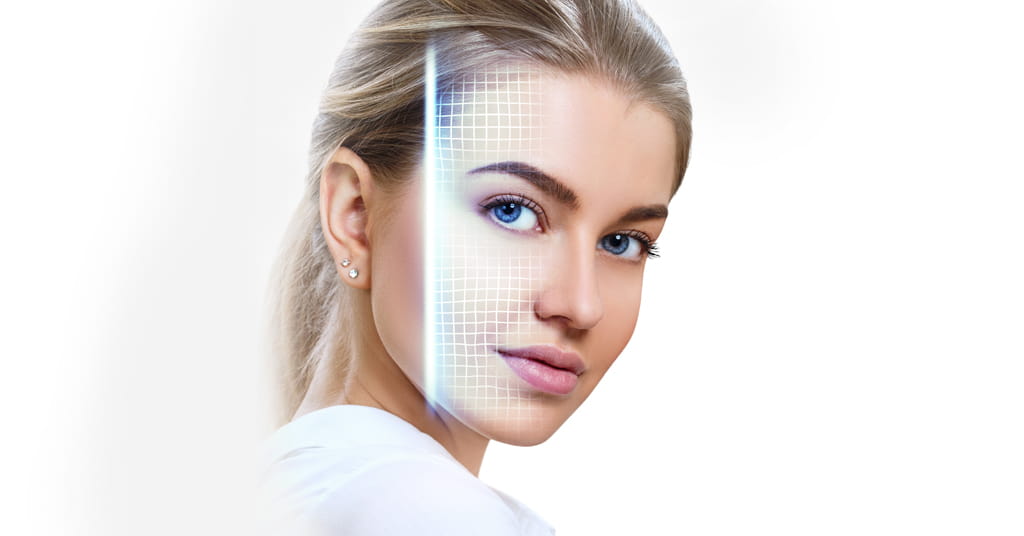
The Future of Skincare Is Here—Are You Ready?
Remember when a simple three-step routine felt like the holy grail of skincare? Cleanse, tone, moisturize—done.
Fast forward to 2025, and the skincare landscape has transformed beyond recognition. Skincare trends now revolve around cutting-edge technology, hyper-personalization, and sustainability like never before. If you’ve ever felt overwhelmed by the numerous products in the market, don’t worry—you’re not the only one.
But here is the exciting part: the most pristine innovations are not about adding more steps. They’re about smarter skincare—science-backed, results-driven, and catered to your unique skin’s needs.
So, what’s in store for skincare lovers in 2025? We spoke to top dermatologists, estheticians, and cosmetic chemists to bring you the 7 most innovative trends shaping the beauty world this year.
Highlights
- AI-Powered Skincare: The Rise of Smart Beauty
- Microbiome-Friendly Skincare: Feed Your Skin Right
- Biotech Beauty: Lab-Grown Ingredients for Maximum Efficacy
- Skin Minimalism: The “Less is More” Strategy
- Solid and Waterless Skincare: Eco-Friendly and Effective
- Neurocosmetics: Skincare That Hacks Your Stress Response
- Skin Longevity: The New Anti-Aging
- The Future of Skincare Is Personal
- FAQs
1. AI-Powered Skincare: The Rise of Smart Beauty
Artificial intelligence (AI) is revolutionizing how we shop and apply skincare. Technology is helping to redefine how we approach skincare, customized to each person’s unique skin profile.
‘Imagine receiving personalized automated texts tailored to a customer named Ayesha. She followed viral skincare trends until irritation hit. AI-powered skincare analyzed her skin, detected patterns, and personalized a minimalist routine just for her. Behind the scenes, AI helped beauty brands refine products and marketing through data-driven insights.’
Before AI: “New skincare sale! Get up to 20% off on select products.“
After AI: “Hey Ayesha! Looking for a gentle cleanse? Our soothing cleansing foam, perfect for your skin, is now 20% off!”
AI-powered skincare apps and devices are becoming mainstream for getting an instant, dermatologist-level skin analysis—complete with product recommendations tailored to your specific concerns.
Why it’s trending:
- Personalized skincare routines based on real-time skin analysis
- Reduces guesswork—no more wasting money on products that don’t work
- Dermatologist-approved recommendations at your fingertips
Pro Tip: Look for brands offering AI-powered skin scanning or virtual consultations to get a routine that truly works for your skin.
2. Microbiome-Friendly Skincare: Feed Your Skin Right
Your skin isn’t just a surface—it’s an ecosystem of bacteria that plays a crucial role in skin health. In 2025, microbiome skincare is no longer a niche trend; it’s a necessity.
Did you know?
In 2019, MyMicrobiome introduced the first “microbiome-friendly” certification, ensuring products support your skin’s natural balance and healthy bacteria. Cool, right?
Probiotic, prebiotic, and postbiotic formulations are designed to balance your skin’s natural flora, reducing acne, sensitivity, and inflammation.
Why it’s trending:
- Supports the skin’s natural defence barrier
- Reduces irritation and strengthens sensitive skin
- Helps fight breakouts and redness
Pro Tip: Skim for ingredients like lactobacillus ferment, bifida ferment lysate, and inulin in your skincare products for a delightful, balanced microbiome.
3. Biotech Beauty: Lab-Grown Ingredients for Maximum Efficacy
Plant-based skincare is great, but what if we could replicate nature’s best ingredients in a lab—without harming the environment? That is exactly what biotech beauty is all about.
Scientists are creating lab-grown versions of active ingredients like collagen, squalane, and hyaluronic acid, making them more sustainable and effective.
Why it’s trending:
- Reduces environmental impact by eliminating overharvesting
- More stable and effective than plant-derived alternatives
- Vegan-friendly and cruelty-free
Pro Tip: Brands using biotech ingredients often highlight “lab-grown” or “bioengineered” actives—so keep an eye out!
4. Skin Minimalism: The “Less is More” Strategy
Gone are the days of exhausting, 10-step skin care routines. Skin minimalism (or “skinimalism”) is about simplifying your regimen to only the essentials—think high-performance multi-taskers that deliver results without overwhelming your skin.
Social media trends may push teens toward complex routines, but experts recommend simple, age-appropriate skincare to avoid irritation and imbalance.
Why it’s trending:
- Prevents over-exfoliation and irritation
- Saves time and money
- Focuses on skin health, not just aesthetics
Pro Tip: Invest in multi-functional products, like a vitamin C + SPF combo or a hydrating serum with niacinamide and peptides.
5. Solid and Waterless Skincare: Eco-Friendly and Effective
Sustainability is no longer an afterthought—it’s a priority. Waterless skincare (think solid cleansers, bars, and powder-based formulas) is gaining massive popularity for reducing waste and extending product shelf life.
Why it’s trending:
- Less water usage = better for the environment
- Concentrated formulas = more potent results
- Travel-friendly and leak-proof
Pro Tip: Try solid cleansing balms, powder-to-foam exfoliants, and waterless serums for an eco-friendly routine that works.
6. Neurocosmetics: Skincare That Hacks Your Stress Response
Did you know that your skin and nervous system are connected?
As B. Carli (2017) beautifully stated, “How we feel on the inside is reflected in how we appear on the outside.”
Neurocosmetics focus on ingredients that reduce stress signals in the skin, helping to calm inflammation, redness, and breakouts triggered by stress.
Think peptides, adaptogens, and neuro-active ingredients designed to keep your skin and mind happy.
Why it’s trending:
- Targets stress-induced skin concerns like acne and rosacea
- Enhances skin resilience and hydration
- Helps promote relaxation through skincare
Pro Tip: Look for skincare products with cannabinoids, adaptogenic mushrooms, and neuropeptides to help de-stress your skin.
Even though clinical studies on neurocosmetics are still limited, the results so far have been fruitful. For instance, a small study showed that a cannabis extract cream helped improve skin issues like oil production and redness. This gives us hope that cannabis-infused products might be great for calming stressed-out skin.
7. Skin Longevity: The New Anti-Aging
Anti-ageing skincare is evolving in 2025, moving beyond just wrinkle reduction to a more holistic, long-term approach. The focus is on skin longevity—keeping your skin healthy, resilient, and youthful at every stage of life.
Instead of only focusing on reversing signs of ageing, the latest innovations work on a deeper, cellular level to prevent, repair, and protect your skin for the long haul.
And guess what? Exosomes are one of the biggest breakthroughs in longevity skincare! It is gaining popularity for its ability to enhance skin renewal, boost elasticity, and reduce inflammation.
Why it’s trending:
- Focuses on prevention, not just correction
- Works for all ages, not just mature skin
- Supports cellular repair and skin barrier function
Pro Tip: Along with exosomes, ingredients like NAD+, resveratrol, and EGF (epidermal growth factor) are key players in longevity skincare.
The Future of Skincare Is Personal
Skincare ‘now’ is all about personalization, sustainability, and high-tech innovation. Whether it’s AI-powered routines, microbiome-friendly formulas, or biotech ingredients, the future looks bright (and so will your skin).
P.S. Remember, skincare is a journey, not a destination. As trends evolve, listen to your skin and choose what truly works for you.
Here’s to glowing skin and a whole new level of self-care in 2025!
FAQs
1. What is the biggest skincare trend of 2025?
The biggest skincare trend of 2025 is AI-powered skincare, which uses smart technology to analyze your skin and recommend personalized routines. Other major trends include microbiome-friendly products, biotech beauty, skin longevity, and neurocosmetics that address stress-related skin concerns (acne, rosacea, eczema, hives, dry skin, premature ageing and hair loss).
2. How does AI-powered skincare work?
AI-powered skincare uses advanced skin-scanning technology and data-driven analysis to assess skin concerns like wrinkles, hydration, and pigmentation. Based on the results, AI recommends tailored skincare products and routines, making skincare more precise and effective.
3. What is skin longevity, and how is it different from anti-aging?
Skin longevity focuses on maintaining youthful, resilient skin over time, rather than just treating wrinkles or signs of ageing. It includes ingredients like NAD+, resveratrol, and growth factors to support skin health at a cellular level, making anti-ageing skincare more proactive and effective for all ages.
4. Why is microbiome skincare important?
Your skin has a natural ecosystem of good bacteria that protects against inflammation, breakouts, and sensitivity. Microbiome-friendly skincare includes probiotics, prebiotics, and postbiotics to balance and strengthen your skin’s barrier, keeping it healthy and resilient.
5. Are waterless and solid skincare products effective?
Yes! Waterless skincare is highly concentrated, implying you get more active ingredients in every application. Solid cleansers, powder serums, and balm-based formulas are eco-friendly, travel-friendly, and long-lasting, making them a great choice for sustainable skincare.