

Hair loss is wrapped up in all sorts of myths and misconceptions that can leave people scratching their heads and trying out ineffective solutions.
From the belief that “cutting your hair promotes its growth” to the idea that “hats contribute to more hair loss,” these misunderstandings persist despite significant advancements in hair science. In a world where lifestyle, genetics, and stress significantly impact hair health, it’s all too easy to be misled by outdated advice.
This blog debunks some prevalent myths surrounding hair loss, clarifying what truly influences our hair health.
Highlights
Let’s Talk Hair Loss: What’s the Deal?
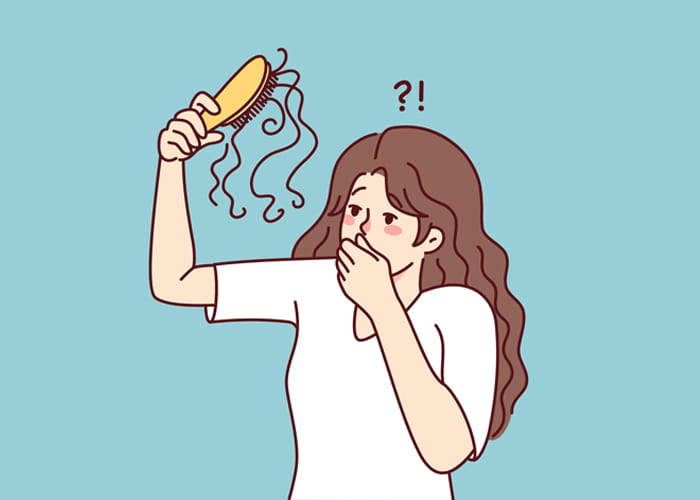
What is Hair Loss?
Hair loss, referred to as alopecia, is the process of losing or thinning hair on the scalp or other areas. It can occur slowly or rapidly and can affect people of all genders.
Hair Loss Causes
Hair loss can stem from a variety of factors. Genetics plays a significant role, often determining how and when hair thinning occurs. Hormonal changes, whether from aging or medical conditions, can also contribute.
Additionally, stress, certain medications, and nutritional deficiencies can impact hair health, highlighting the importance of a balanced lifestyle for maintaining healthy locks.
Hair Loss Treatment
Numerous treatments exist for hair loss, customized to address the underlying cause and extent of the issue. Popular options include topical solutions like Minoxidil and oral medications such as Finasteride. For those wanting a more permanent solution, surgical procedures like hair transplants may be effective.
You can also opt for vitamins and minerals (taken as fruits, vegetables and supplements) that can support hair health. For some people, wigs and concealers serve well for immediate cosmetic solutions. Emerging treatments, including corticosteroid injections and laser therapy, also show promise in promoting hair regrowth.
Hair Fall Myths Debunked
1. Men Are More Susceptible to Hair Loss Than Women
False: While male pattern baldness is well-known, women also experience considerable hair loss, often due to hormonal changes or medical conditions.
Androgenetic alopecia can impact as many as 50% of individuals, both male and female, and is characterized by a gradual thinning of hair on the scalp, which may start anytime following the onset of puberty.
2. Wearing a Hat or a Cap Will Make You Go Bald
False: Hats, even if tight, are unlikely to cause hair loss on their own. However, they may contribute to pulling out hair that is already in the process of falling out.
The main contributors to hair loss are genetics and hormones, rather than external influences such as wearing hats.
3. Frequent Shampooing Causes Hair Loss
False: Washing your hair regularly with shampoo isn’t harmful, it can help keep your scalp healthy! The secret is to choose gentle, sulfate-free products.
In a study of the Asian population, researchers found that washing hair more frequently improved people’s feelings about their hair without negatively affecting its quality. So go ahead and wash away but with gentle care!
4. Cutting Your Hair Promotes Its Growth
False: While trims can help eliminate split ends, they don’t impact growth rates. To truly stimulate hair growth, the roots need to be targeted.
Hair growth happens at the follicle, not at the ends. Although haircuts won’t directly influence this, regular trims keep your hair healthy and strong for achieving extra length.
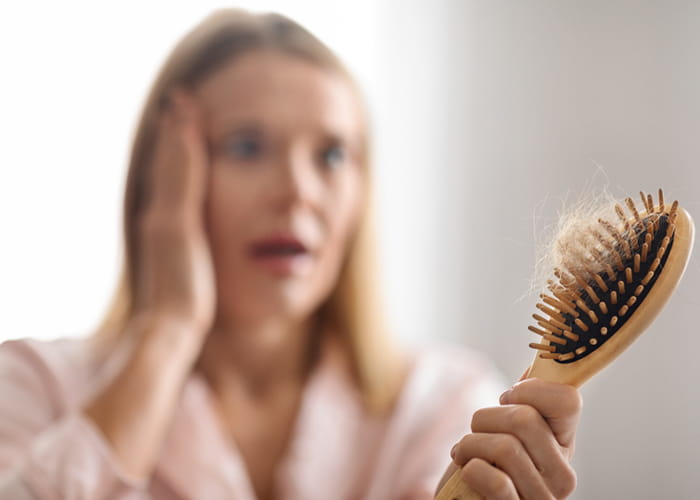
5. All Hair Loss Is Permanent
False: Not all instances of hair loss are irreversible. It can result from genetics, hormonal imbalances, immune conditions, tight hairstyles, and other factors. While some types, like male or female pattern baldness, are often long-lasting, others, such as telogen effluvium are temporary.
With appropriate treatment and by addressing underlying causes, regrowth is often possible. However, consulting a healthcare professional is essential to find the right approach!
6. Dandruff Is Just Dry Skin
False: The belief that dandruff is just dry skin is a myth. A dry scalp occurs when the skin lacks moisture, leading to small flakes, while dandruff is linked to an overgrowth of a yeast-like fungus called Malassezia, resulting in larger, oily flakes.
Treatments typically focus on antifungal solutions rather than just moisturizing. A dry scalp can also contribute to dandruff through irritation.
7. Hair products cause hair loss
False: While some ingredients may not be ideal for healthy hair, there’s no strong evidence linking any specific ingredient directly to hair loss.
It’s essential to take other potential factors into account when addressing hair loss, rather than just attributing it to hair products.
8. Hair loss is only a result of ageing
False: Hair loss is not solely a result of aging; it can stem from various factors, including genetics, immune conditions, radiation treatment, childbirth, illness, and other stressors.
Hairstyles that exert tension on the scalp, hormonal fluctuations, scalp infections, and deficiencies in biotin, zinc, iron, or protein may contribute to hair loss. Additionally, friction from styling can play a role. Acknowledging these factors is important for addressing hair loss appropriately.
9. Stress leads to hair loss
True: Stress can lead to hair loss, particularly through a condition called telogen effluvium, where hair follicles shed more than usual due to stress. This can also worsen issues such as alopecia areata.
Elevated stress levels can lead to unhealthy behaviors that contribute to hair loss. Implementing stress reduction strategies and making healthy lifestyle choices can help preserve hair health.
10. If you rub your nails together, your hair grows faster
False: Rubbing your nails together lacks any scientific proof to indicate that it can improve hair growth. Hair growth is largely governed by factors like nutrition, hormonal balance, genetics, and general health.
While good circulation and a healthy scalp can promote hair health, the act of rubbing nails together doesn’t affect these processes.
Some Everyday Hair Tips Your Hair will Love

Looking to prevent hair loss? Check out these 10 simple tips below to maintain healthy and shiny hair.
- Furthermore, ensure you stay hydrated by drinking plenty of water to maintain proper moisture levels in your hair and scalp.
- Opt for sulfate-free shampoos that are appropriate for your hair type.
- Always condition after shampooing to keep hair nourished.
- Reduce the use of heat tools and use protectants when necessary.
- Get a trim every 6 to 8 weeks to avoid split ends.
- Detangle wet hair gently to avoid breakage.
- Wear a hat or use UV-protecting products when outdoors.
- Add oils such as coconut or argan oil for extra hydration.
- Be gentle when applying to prevent irritating your scalp.
- Opt for looser styles to prevent hair damage.
To sum up
By understanding these myths and truths about hair loss, you can make informed choices to maintain healthy, beautiful hair.
Keep in mind that distinguishing between fact and fiction is the initial step to effectively managing your hair.
FAQ
1. Does shiny scalp mean permanent hair loss?
A shiny scalp does not automatically indicate permanent hair loss. A shiny scalp can indicate permanent hair loss in conditions like androgenetic alopecia or scarring alopecia, where hair follicles are damaged.
However, in cases related to skin conditions such as eczema, psoriasis, or seborrheic dermatitis, the shine can be temporary, and hair may grow back with proper treatment.
2. Which vitamin deficiency causes hair loss?
Lack of essential nutrients like iron, biotin, ferritin, vitamin D, folate, vitamin B12, and selenium can greatly affect hair health and lead to hair loss. It’s vital to take in adequate amounts of these vitamins and minerals for healthy hair.
3. How to increase hair growth?
To promote hair growth, focus on a balanced diet full of vitamins and minerals, ensure you stay hydrated, and take good care of your scalp. Manage stress through relaxation techniques, limit heat and chemical treatments, consider supplements, and consult a healthcare professional for tailored advice and effective treatments like Minoxidil or Finasteride.
4. How common is male hair loss?
Male pattern baldness is common among Caucasian men, affecting approximately 20% of men in their twenties, 33% in their thirties, and nearly 50% in their forties.