

Scalp care is having its long-overdue moment—because the secret to transformative hair doesn’t begin in your lengths; it begins at the root. Scalp detox has become a buzzworthy step in advanced haircare, especially among those seeking cleaner routines, fewer chemicals, and stronger roots.
If you’re exploring treatments that genuinely support long-term scalp wellness, detoxing may be the missing link in your routine. Those considering targeted treatments backed by research and innovation, professionally formulated hair and scalp solutions are worth exploring.
Highlights
- A Modern Approach to Scalp Hygiene and Hair Health
- Why Scalp Detoxing Is Not Just a Trend
- Top Benefits of Scalp Detox
- How to Detox Hair Scalp: Tried & Tested Methods
- Scalp Detox for Dandruff
- Signs You Need a Scalp Detox
- Choosing the Right Scalp Detox Product
- After Detox Care: What Comes Next?
- Conclusion
- FAQ’s
A Modern Approach to Scalp Hygiene and Hair Health
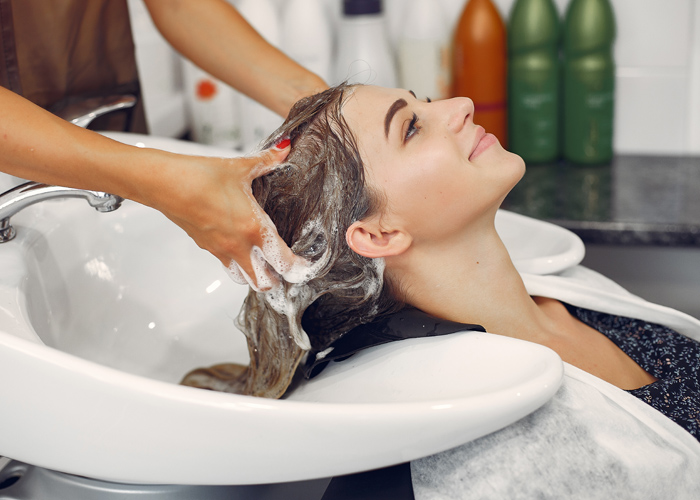
A scalp detox is a targeted treatment designed to deeply cleanse the scalp and remove stubborn buildup—including excess sebum, dead skin cells, product residue, pollutants, hard-water minerals, and toxins. Consider it a refresh that brings your scalp back to its optimal balance.
Daily shampooing only cleans the surface. Detoxing works deeper.
This is what makes scalp detox treatment appealing for individuals dealing with:
- Dull, weighed-down hair
- Persistent dandruff or flakiness
- Greasy roots but dry lengths
- Itchy or irritated scalp
- Slow hair growth due to clogged follicles
- Hard-water exposure
- Frequent use of dry shampoo, gels, or styling sprays
A healthy scalp equals a stronger foundation, and detoxing nurtures this foundation effectively when performed correctly.
Why Scalp Detoxing Is Not Just a Trend
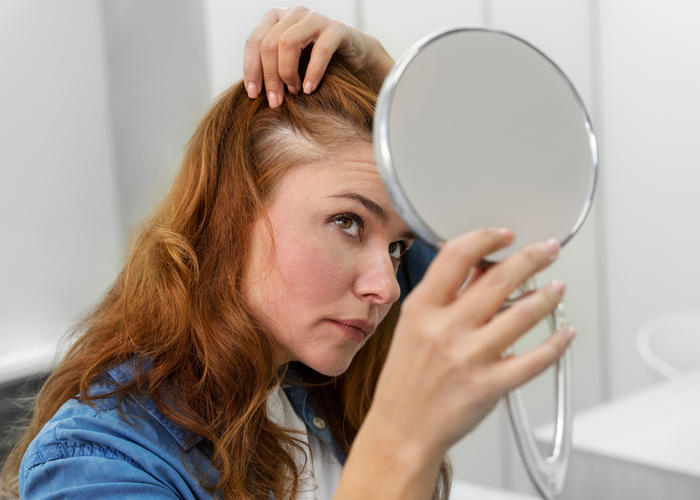
The Science-Backed Logic Behind the Practice- Your scalp is skin. It sweats, produces oil, regenerates cells, and responds to environmental stress just like facial skin does—but often receives far less attention.
Bioaccumulation affects scalp function- When layers of dead cells and residue remain trapped, the hair follicles struggle to breathe, similar to how pores clog on the face and trigger breakouts.
Results in:
- Inflamed, irritated scalp
- Increased hair shedding
- Dandruff flare-ups
- Poor nutrient absorption
- Compromised hair density
By contrast, a clean scalp restores balance, regulates natural oil production, and creates a more favorable environment for hair fiber strength and growth.
Top Benefits of Scalp Detox

A Visible Difference You Can Feel and See
When included as part of an intelligent haircare routine, scalp detoxing offers multiple advantages:
Benefits | What It Does / Why It Matters |
Clears buildup & unclogs follicles | Removes residue, sweat, and environmental toxins that clog the scalp |
Reduces dandruff & flaking | Eliminates debris that may feed yeast and helps ease inflammation |
Balances oil production | Supports regulation of sebaceous glands — beneficial for oily scalps |
Soothes itching & irritation | Calming ingredients help relieve discomfort caused by buildup or pollutants |
Creates better pre-conditions for hair growth | A cleaner scalp supports healthier hair growth cycles |
Enhances absorption of serums or tonics | Improves penetration and performance of scalp treatments |
Improves hair texture & volume | Roots feel lighter, lifted, and hair appears fuller and bouncier |
How to Detox Hair Scalp: Tried & Tested Methods
A Combination of Cleansing, Exfoliation, and Nourishment
There is not one single way to detox. Modern scalp care blends dermatology and natural ingredients to create deeply effective results.
1. Clarifying Scalp Detox Treatment
Clarifying formulas with chelating agents gently dissolve residue left behind by:
- Hard water minerals
- Silicone-heavy conditioners
- Dry shampoo
- Styling mousse and sprays
Use these once every 10–20 days, depending on your buildup level.
1. Chemical Scalp Exfoliators (AHA or BHA)
A controlled concentration of acids, usually glycolic (AHA) or salicylic (BHA), as it helps:
- Unclog follicles
- Dissolve dead skin
- Reduce dandruff-causing flakes
Ideal for: Oily scalps, dandruff-prone skin, buildup from regular styling
1. Physical Scalp Exfoliators
These include scrubs with microfine granules, botanical seeds, or volcanic ash.
They:
- Improve circulation
- Remove flakes
- Provide instant freshening
Caution: Avoid overly abrasive textures that can create micro-tears or irritation.
1. Professional Scalp Detox Treatment
Dermatology-led treatments may include oxygen therapy, micro-exfoliation, or peptide infusion.
LBenefits include:
- Targeted dandruff relief
- Improved follicle circulation
- Clinical-grade exfoliation without harsh scrubbing
1. Scalp Detox DIY
When performed gently and safely, DIY detoxing can be effective.
Simple Scalp Detox DIY Ideas
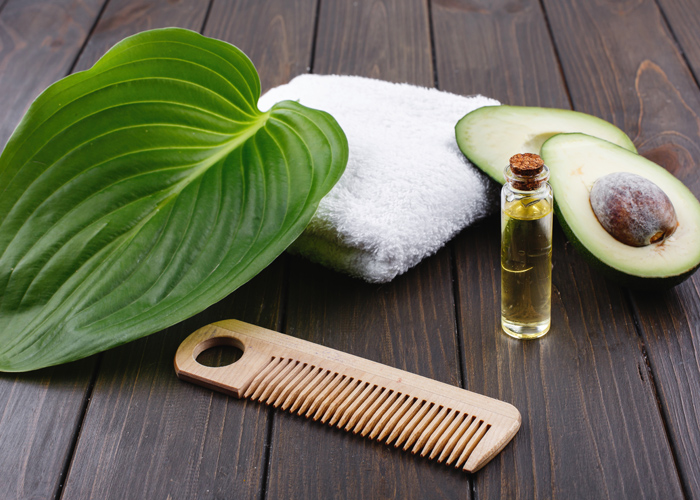
- Diluted apple cider vinegar rinse (restores pH)
- Aloe vera gel soothing mask
- Bentonite clay + water paste (draws impurities)
- Green tea rinse (rich in antioxidants)
Keep in mind: DIY does not replace clinical care for conditions like severe dandruff, psoriasis, or folliculitis.
Scalp Detox for Dandruff
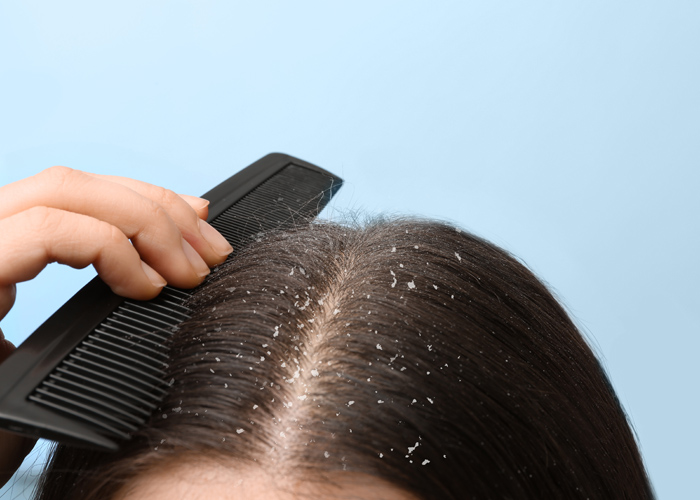
Dandruff is commonly linked with:
- Malassezia yeast
- Excess oil
- Hormonal imbalance
- Stress
- Harsh products
- Pollution
A scalp detox can help remove buildup that supports yeast growth and relieve itching or flaking.
However:
- It cannot cure medical scalp concerns like psoriasis or eczema.
- It should not replace antifungal treatments for chronic cases.
For occasional dandruff, detoxing once every 10–15 days with a shampoo may help maintain clarity and balance.
How Often Should You Detox Your Scalp?
Frequency Depends on Your Scalp Type and Lifestyle
Scalp Type / Routine | Recommended Detox Frequency |
Oily scalp | Every 1–2 weeks |
Every 10–15 days | |
Dry / Sensitive scalp | Every 4–6 weeks |
Frequent styling / dry shampoo | Every 10 days |
Swimmer / Hard water exposure | Every 1–2 weeks |
Minimal product use | Once a month |
Key rule: Consistency, not intensity, matters.
Detoxing too often can strip the scalp, triggering more oil production or irritation.
Signs You Need a Scalp Detox
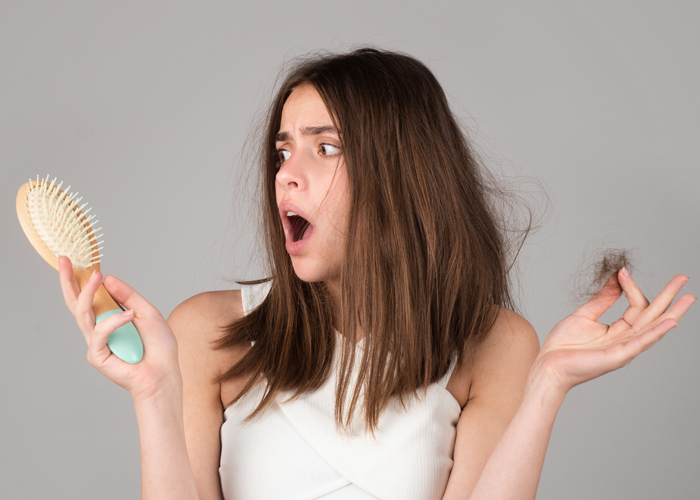
If you notice the following, a reset may be overdue:
- Hair feels greasy 24 hours after washing
- Styling products stop working as well
- Flakes or dust-like particles appear at the roots
- The scalp emits odor despite regular washing
- Hair looks flat and dull
- Persistent itching
- Poor or slowed hair growth
A simple detox may resolve these concerns before they escalate.
Choosing the Right Scalp Detox Product

Look for ingredients that cleanse without stripping:
Benefit | Ingredient Category |
Exfoliates buildup | Salicylic acid, glycolic acid |
Promotes clarity | Charcoal, bentonite clay |
Balances oil | Tea tree, witch hazel |
Calms irritation | Aloe vera, niacinamide, green tea |
Strengthens scalp barrier | Peptides, ceramides |
Hydrates | Hyaluronic acid, panthenol |
Clean formulations that respect scalp microbiome balance are becoming increasingly favored in dermatology-based haircare.
Scalp Detox DIY Tips
A DIY scalp detox can be effective if performed with care:
- Always dilute acids (like apple cider vinegar).
- Patch test any new ingredient.
- Avoid abrasive salt/sugar scrubs on sensitive skin.
- Follow with hydration—not just cleansing.
- Never apply lemon juice directly to the scalp.
- Do not mix vinegar and clay; pH levels will conflict.
Think of your scalp as fragile skin that needs nurturing, not aggressive scrubbing.
The Mistakes to Avoid
Prevention Is Smarter Than Repair
- Over-detoxing → may cause dryness, redness, or rebound oil
- Using facial scrubs on the scalp → particles too harsh or large
- Applying neat essential oils (never undiluted)
- Skipping moisturization afterward
- Replacing medical care with detoxing
A detox routine enhances scalp health; it doesn’t serve as a cure for scalp diseases.
How Scalp Detox Impacts Hair Growth
Detoxing doesn’t speed hair growth magically—but it supports the environment for growth by:
- Reducing follicle blockage
- Improving circulation around roots
- Stabilizing oil production
- Lowering inflammation triggers
A clean, balanced scalp is more receptive to serums, peptides, and topical growth boosters.
After Detox Care: What Comes Next?
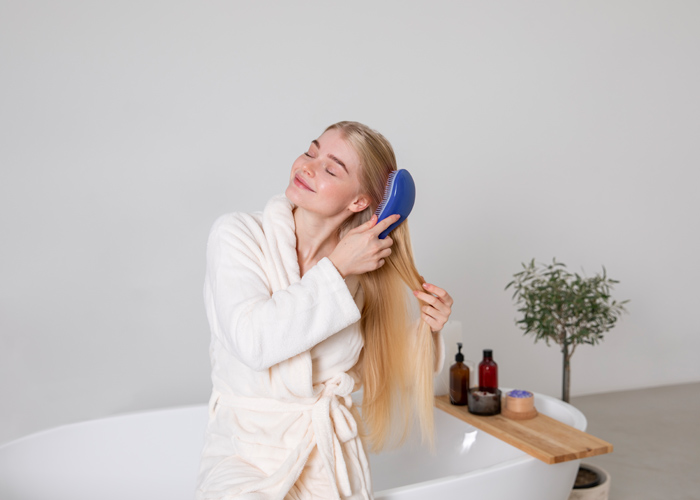
To protect your newly balanced scalp:
- Use a gentle sulfate-free shampoo.
- Avoid styling products for 24 hours after detoxing.
- Apply nourishing serums or peptide-based tonics.
- Hydrate lengths to prevent dryness.
- Minimize heavy silicones or sticky sprays.
Think of detox day as a reset—not just a cleanse.
How to Build a Holistic Scalp Care Routine
A smart routine could look like:
- Daily/Alternate days: Mild cleansing
- Weekly: Hydrating mask
- Monthly or Bi-monthly: Scalp detox
- As needed: Serum for strength or density
Ingredients matter. Techniques matter. Frequency matters most.
Conclusion
A healthier scalp isn’t a luxury—it’s the foundation of thicker, stronger, more resilient hair. Incorporating a scalp detox routine provides clarity, balance, and long-term benefits when done thoughtfully and according to your unique needs.
Whether you’re managing buildup, looking to reduce dandruff, or simply searching for a refresher that enhances hair vitality, detoxing can fit seamlessly into your wellness-focused haircare routine. For those exploring next-gen skincare and hair formulations—especially peptide-infused or dermatologist-inspired ranges—professional platforms offer advanced options worth discovering.
A cleansed scalp is a confident beginning. And every hair journey deserves a fresh start.
FAQ’s
1. How often should you detox your scalp?
It depends on your scalp type and lifestyle—oily scalps and frequent stylers may benefit every 1–2 weeks, while dry or sensitive scalps may need detoxing just once every 4–6 weeks.
2. Can I detox my hair every day?
Daily detoxing is not recommended; over-cleansing can strip natural oils, trigger irritation, or cause rebound oiliness. Detoxing should be periodic, not part of your daily routine.
3. How long does scalp detox take?
Most detox treatments take 10–30 minutes, depending on the method used—DIY masks, clarifying shampoos, or exfoliating serums each come with different application times.
4. How do I know if I need a scalp detox?
Signs include persistent greasiness, flakes, itching, flat hair, product buildup, or scalp odor shortly after washing—your scalp may simply need a reset.
5. How often is it healthiest to wash your hair?
Most people benefit from washing every 2–3 days, but oily scalps may need more frequent cleansing, and dry scalps may need less—your hair’s texture and oil production can guide the ideal rhythm.