
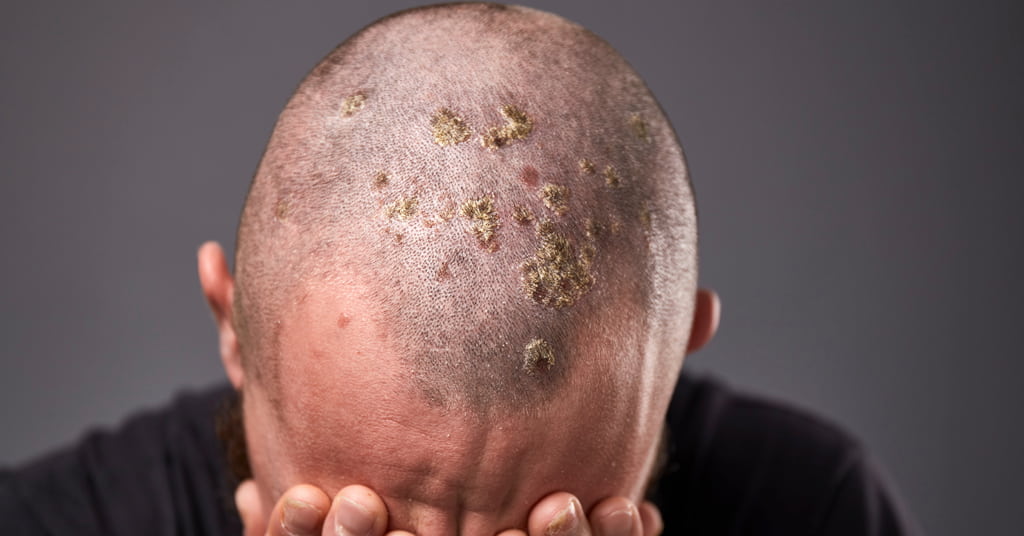
Scalp psoriasis can be a challenge to manage. The constant flakes, irritation, and itchiness can wear you down. But with the right care, you can manage the symptoms and feel more in control. A gentle, consistent routine can help soothe your scalp and restore comfort to your daily life. Choose your scalp products wisely.
To find out read below, what helps, what doesn’t, and how to keep your scalp feeling best.
Highlights
What Exactly is Scalp Psoriasis?
Scalp psoriasis is a long-term skin condition marked by red, scaly patches on the scalp. It happens when your body produces skin cells too fast, causing them to build up and form noticeable spots. While it’s not contagious, it does need regular care. Knowing what you’re dealing with is the first step to keeping flare-ups in check.
Scalp Psoriasis: Are You in the Risk Zone?
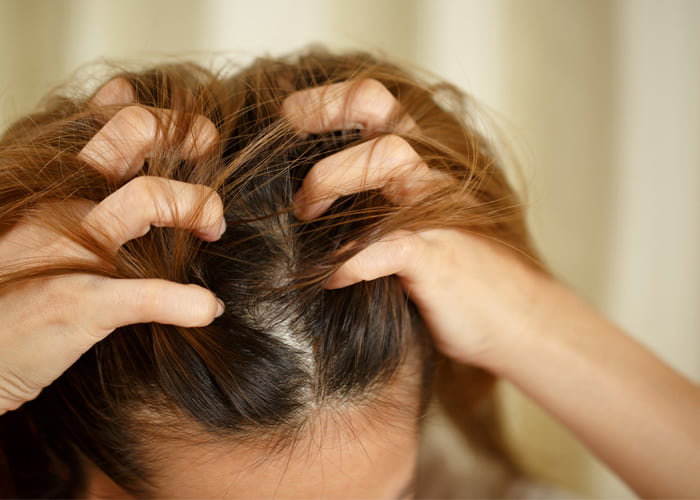
Psoriasis doesn’t discriminate—it affects both men and women. However, it tends to show up earlier in women, especially those with a family history. Interestingly, it follows a bimodal pattern—often appearing between ages 30–39 and 60–69 in men, and about a decade earlier in women.
Globally, around 60 million people are living with psoriasis, but its presence varies from place to place. Prevalence ranges from just 0.05% in Taiwan to 1.88% in Australia. It’s notably more common in wealthier regions and among older populations. In the UK alone, 1.52% of the population is affected.
How to Spot the Symptoms
Wondering what scalp psoriasis feels or looks like? Here’s a quick breakdown of the most common signs and symptoms to watch for:
|
Symptom |
Description |
|
Red Patches on the Scalp |
Reddish spots may pop up anywhere on the scalp—some are tiny and barely visible, while others are thick, inflamed, and hard to miss. |
|
Flaking and Silvery Scales |
It looks like dandruff, but it isn’t. Scalp psoriasis causes white, silvery flakes and a dry, scaly buildup that dandruff doesn’t. |
|
Dry, Cracked Skin |
The scalp can get so dry that it cracks and bleeds, making it more painful and uncomfortable. |
|
Persistent Itching |
One of the most common symptoms—itchiness ranges from mild annoyance to intense discomfort that can disturb sleep and daily life. |
|
Bleeding from Scratching |
It’s tempting to scratch, but doing so can make the scalp bleed, worsen the patches, and make them grow thicker. |
|
Burning or Soreness |
A burning or sore feeling on the scalp is another sign—this discomfort can be constant or flare up unexpectedly. |
|
Temporary Hair Loss |
Excessive scratching or trying to force off the flakes can lead to hair loss. Thankfully, hair usually grows back once the scalp heals. |
|
Flare-up Patterns |
Symptoms may appear suddenly, vanish, and return. Some people have just one mild episode, while others face frequent and more intense flare-ups. |
|
Common Triggers |
Stress, cold weather, and dry air are known to spark flare-ups, making it important to manage environmental and emotional factors. |
Managing Scalp Psoriasis: Treatments That Work
Treating scalp psoriasis takes a mix of medical care and smart lifestyle choices. While there’s no universal fix, the right steps can ease discomfort, reduce flakes, and help prevent flare-ups.
From doctor-approved solutions to soothing home remedies, here’s what can keep your scalp feeling its best:
Medical Treatments
For medical treatments, topical corticosteroids help reduce inflammation and ease itching. Vitamin D analogs work to slow down the rapid growth of skin cells. Salicylic acid can loosen stubborn scales, and coal tar products help control flaking and reduce cell buildup. In more severe cases, prescription medications like oral or injectable biology may be necessary.
At-Home Remedies & Simple Lifestyle Tips
On the home front, switching to medicated shampoos can help balance your scalp and reduce flakes. Applying coconut or olive oil softens scales and calms irritated skin. And for natural relief, oatmeal or apple cider vinegar rinses can help soothe itching and redness.
Scalp Psoriasis: What to Do—and What to Avoid
Managing scalp psoriasis effectively means knowing what helps and what makes it worse.
Small daily habits can make a big difference in reducing symptoms and keeping your scalp healthy.
Here’s your go-to guide for what to do—and what to avoid!
|
What to Do |
How it Helps |
|
Use a Medicated Shampoo |
Choose shampoos with coal tar, salicylic acid, or ketoconazole to fight flakes and calm inflammation. |
|
Keep Your Scalp Hydrated |
Stick to lightweight, fragrance-free moisturizers to soothe dryness and avoid irritation. |
|
Wash Gently |
Use lukewarm water and massage softly—no harsh scrubbing to avoid flare-ups. |
|
Apply Scalp Treatments |
Use treatments like corticosteroids, vitamin D creams, or medicated ointments to manage symptoms. |
|
Protect from the Sun |
A little sunlight helps, but always apply SPF to prevent sunburn. |
|
Manage Stress |
Stress is a trigger—try yoga, meditation, or deep breathing to stay calm. |
|
Eat for Your Skin |
Fill your plate with anti-inflammatory foods like fish, leafy greens, and nuts. |
|
Consult a Dermatologist |
Regular visits help keep your treatment plan on track and effective. |
What to Avoid
Steering clear of these habits can help prevent flare-ups and protect your scalp.
|
Avoid This |
Why You Should |
|
Scratch or Pick Your Scalp |
It worsens inflammation, risks infection, and can lead to hair loss. |
|
Smoke or Drink Excessively |
These habits can cause flare-ups and weaken treatment effects. |
|
Use Harsh Hair Products |
Avoid products with sulfates, alcohol, or heavy fragrances—they’re too harsh. |
|
Over wash Your Hair |
Washing too often strips oils, leaving your scalp dry and itchy. |
|
Use Hot Water |
Hot showers dry out your scalp and make irritation worse. |
|
Wear Tight Hairstyles |
Styles that pull on your scalp can worsen irritation and damage your skin. |
When to Seek Medical Help
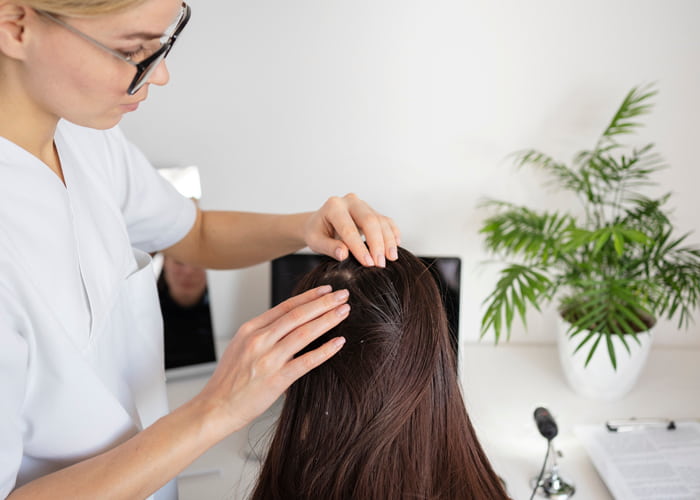
If over-the-counter treatments aren’t working or your symptoms are getting worse, it’s best to see a dermatologist. They can provide prescription treatments that make a real difference in keeping your scalp healthy.
Final Thoughts
Scalp psoriasis might feel like a never-ending battle—but it doesn’t have to be. With the right mix of treatments, gentle care, and lifestyle tweaks, you can calm the flakes, ease the itch, and take back control.
Everyone’s scalp is different, so be patient with the process. What works for one person might not work for another—but consistency is your best friend.
So, be kind to your scalp. Choose products with purpose, listen to your body, and don’t hesitate to seek help when you need it. Relief is possible—and better scalp days ahead.
FAQs
1. Is Scalp Psoriasis Curable?
Scalp psoriasis isn’t curable—but don’t worry, it can be managed! With the right treatment plan, like medicated shampoos and healthy habits, you can reduce flare-ups and soothe your scalp.
2. How is Scalp Psoriasis Different from Dandruff?
Think of dandruff as mild and flaky—but psoriasis? That’s red, itchy, and scaly. Dandruff usually comes with white, oily flakes, while scalp psoriasis causes thick silvery scales and irritation. If regular anti-dandruff shampoos don’t work, and your scalp feels sore or inflamed—it’s likely more than just dandruff.
3. Should I Avoid Certain Foods?
Yes, some foods can make psoriasis worse—like sugar, dairy, and processed snacks. Alcohol and smoking are also big no, as they trigger inflammation. Instead, choose skin-friendly foods like leafy greens, omega-3-rich fish, and whole grains to calm your scalp from within.
4. How Often Should I Wash My Hair?
Washing 2-3 times a week is usually best for scalp psoriasis. Too much washing can dry out your scalp, while too little can cause buildup. Use a gentle, medicated shampoo—and on days off, try a soothing scalp lotion or light massage to keep things balanced.