
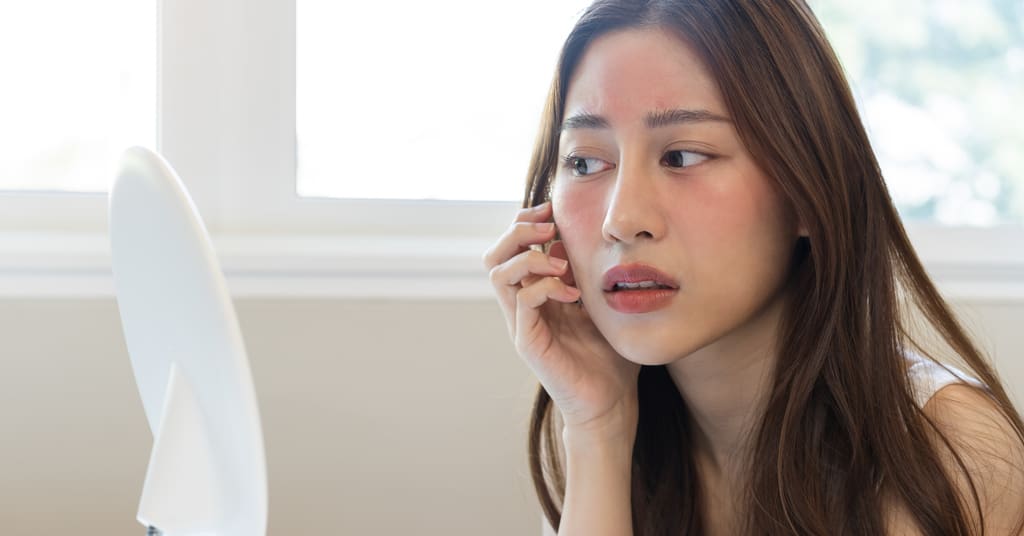
Let’s face it- Retinol is one of the top-suggested skincare ingredients for early signs of aging and is definitely here to reign! Need to improve the appearance of wrinkles and fine lines, revive dull skin, increase cellular turnover and fade dark spots- retinol does it all and more!
Does smearing on your favourite retinol cream make your skin irritated or red when you’re stepping out in the sun? Is retinol good for skin? What is the actual truth about retinol and sun exposure?
Discover retinol and its relationship with sun sensitivity, uncovering truths, busting myths, and revealing the secret formula to using this skincare MVP without putting your glow—or your skin—at risk.
Highlights
- A Quick Recap about Retinol and its Benefits…
- Understanding Sun Sensitivity
- Does Retinol Make your Skin more Sensitive to Sun?
- Busting Common Myths About Retinol and Sun
- How to Protect Your Skin While Using Retinol
- To Sum up
- FAQs
A Quick Recap about Retinol and its Benefits…
Before we talk about sun sensitivity, let’s briefly understand what is retinol? Retinol, a type of vitamin A derivative is known to be one of the most versatile ingredients that work wonders for tackling a range of skin concerns—from acne scars to signs of aging.
But retinol isn’t magic—it’s science. It works by speeding up your skin’s natural exfoliation process, which may in turn come with certain harsh effects like peeling, redness, and sensitivity, especially in the early stages of use or when used in higher concentrations.
Understanding Sun Sensitivity
Sun sensitivity is tested using the Minimal Erythema Dose (MED) method, the same process used to determine sunscreen SPF. In this test, small skin sections—typically on the rarely sun-exposed buttocks—are exposed to different UVB doses.
After 24 hours, the lowest dose causing visible redness is identified as the MED, revealing the skin’s UV sensitivity threshold.
Does Retinol Make your Skin more Sensitive to Sun?
Here’s the million-dollar question: Does retinol increase sun sensitivity? The answer isn’t as up-front as you might think.
Retinol itself doesn’t make your skin more prone to sunburn. Unlike some ingredients (like AHAs and BHAs) that increase your skin’s photosensitivity, retinol for skin is not phototoxic. However, the way retinol works can make your skin more vulnerable to sun damage with time.
When you use retinol, your skin cells turn over more quickly, revealing fresher, newer skin that can be more delicate. This new skin may be less equipped to handle UV exposure, making it more susceptible to damage from the sun’s rays.
Busting Common Myths About Retinol and Sun

There are some common misconceptions lurking around the use of retinols in skincare. Allow me to clear the air for you:
Myth #1: Retinol Should Be Avoided in Summer
There’s no reason to shelve your retinol in the warmer months. As long as you’re diligent about sunscreen and protective measures, you can continue using your favourite retinol face serum year-round.
Myth #2: All retinols are the same
Not true! While both retinols and retinoids are used extensively in skincare, they aren’t the same thing.
Retinoids is a broad term that includes both synthetic and natural forms of retinol. OTC retinols are weaker than prescription options like tretinoin and need to be converted into a more potent form to work.
Pro-retinols are the gentlest, causing less irritation but also being less effective.
Myth #3: Sunscreen Isn’t Necessary Indoors
Even indoors, windows can permit harmful sun/UV rays to pass through. If you’re using retinol, you should make sunscreen a part of your daily routine, no matter where you are.
Myth #4: Higher Retinol Concentrations Are Always Better
More isn’t always better, especially when it comes to retinol. If you’re new to retinol, starting with a high concentration can lead to excessive irritation, which might make you less inclined to stick with it. Start with a lower concentration to check your skin’s tolerance and based on this, introduce a high concentration of retinol.
How to Protect Your Skin While Using Retinol
Using retinol doesn’t mean you have to live like a vampire, avoiding sunlight at all costs. It just means you need to be extra mindful about sun protection. Here’s how to do it:
1. Sunscreen Is Non-Negotiable
The most important rule for retinol users? Never, ever skip sunscreen. Opt for a broad-spectrum sunscreen with at least SPF 30, and make it a daily habit—even on cloudy days or when you’re indoors.
Reapply every 2 hours if you’re spending extended time outside, and don’t forget often-missed spots like your ears, neck, and hands.
2. Use a Gentle Retinol Formulation
If your skin is particularly sensitive, start with a lower concentration (like 0.25% or 0.5%) mentioned on your retinol serums and creams and, gradually work your way up (like 2%). Some products also include hydrating or soothing ingredients to counteract irritation.
3. Layer Wisely
Pair your retinol with hydrating skincare products to sustain your skin barrier. Ingredients like ceramides, glycerin, and hyaluronic acid are excellent companions to help your skin stay moisturized and resilient.
4. Avoid Over-Exfoliating

Retinol already stimulates cell turnover and thus, has a gentle exfoliating action on the skin. So, it is better to skip other exfoliating products like scrubs or acids. Overdoing it can damage your skin barrier, making you even more susceptible to sun damage.
5. Limit Sun Exposure
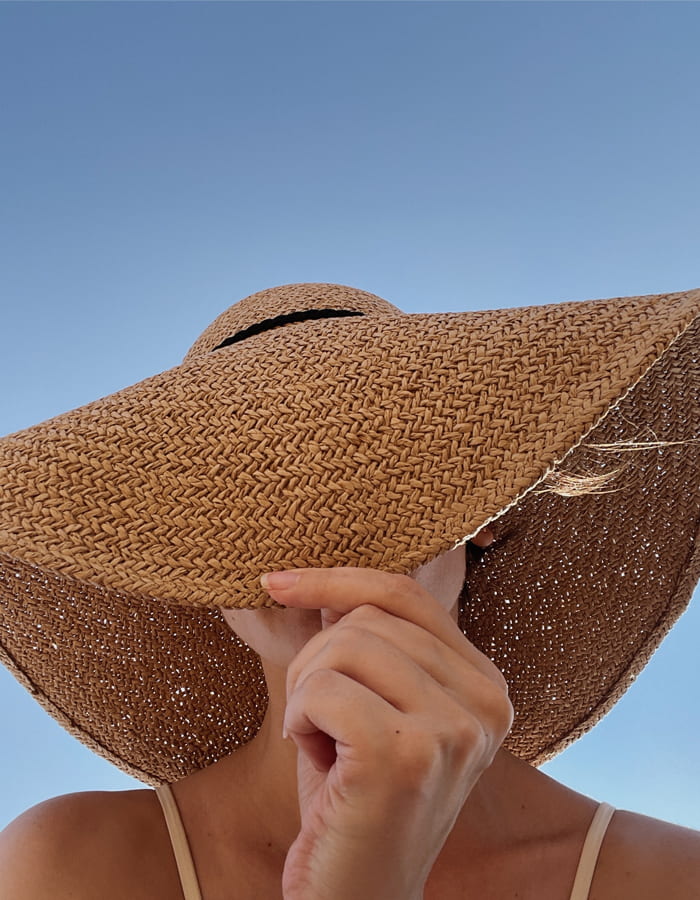
If you’re planning to spend a lot of time outdoors, consider skipping your retinol the night before. You can protect your skin from UV rays and prevent photaging by wearing a wide-brimmed hat, sunglasses, and protective clothing.
To Sum Up
Retinol is a transformative ingredient, but it does come with a learning curve—especially when it comes to sun sensitivity. The good news? With the right precautions, you can enjoy all the benefits of retinol without compromising your skin’s health.
Think of sunscreen as retinol’s best friend: the two go hand in hand to keep your skin protected, youthful, and glowing. So, to avoid any harm to your skin, whether you’re a retinol newbie or a seasoned user- just don’t forget the SPF!
By treating your skin with care and staying sun-smart, you can avail the full spectrum benefits of retinol most effectively.
FAQs
1. What does retinol do for skin?
Retinol helps to speed up skin cell turnover, promoting smoother texture and reducing the early signs of skin aging or photoaging, like fine lines and wrinkles. It also unclogs pores, making it effective for treating acne and improving skin tone.
2. How to use retinol?
Regardless of the form of retinol you’re using (serum, cream, etc.), it should be applied at night. Start with a small amount, using it 2-3 times a week to help your skin adjust. As your skin builds tolerance, you can increase usage, and remember to apply broad-spectrum sunscreen during the day to protect your skin.
3. Can I use niacinamide with retinol?
Yes, combining niacinamide with retinol can be beneficial in your skincare routine. Niacinamide helps to soothe and hydrate the skin, reducing potential irritation from retinol, while retinol works on improving texture and addressing signs of aging. Just be sure to start slowly and monitor your skin’s response.
4. Does retinol make you more sun-sensitive?
While retinoids can increase sun sensitivity, they are highly effective at reversing signs of aging caused by excessive sun exposure. Always use sunscreen to protect your skin while benefiting from retinol’s anti-aging effects.
5. What happens if I don’t wear sunscreen while using retinol?
Skipping sunscreen while using retinol can lead to sunburn, irritation, and an increased risk of long-term skin damage, such as dark spots and premature aging. Since retinol makes your skin more sensitive to the sun, it’s crucial to protect it with sunscreen daily.