

For many of us, teenage acne is something we associate with our teen years—the hormonal shifts, the stress of school—but when adult acne appears, it can leave you wondering why breakouts are still a part of your life. This new guest (pimple!) arises out of nowhere just before that most important event of your life! Relatable is it?
Adult acne is very much real and a frustrating issue that many people deal with well beyond their teenage years. But what exactly makes adult acne different from adolescent acne? Is it just a cruel twist of fate, or is there a scientific reason behind it? The truth is, that adult acne and teenage acne have different causes, triggers, and treatment methods.
Fathoming these differences can help you take charge of your skincare routine, no matter your age!
Highlights
- Teenage Acne: The Hormonal Surge
- Adult Acne: More Complex Than You Think
- The Main Differences: Where Does Your Acne Show Up?
- How to Treat Adult Acne
- To Sum Up
- FAQs
Teenage Acne: The Hormonal Surge
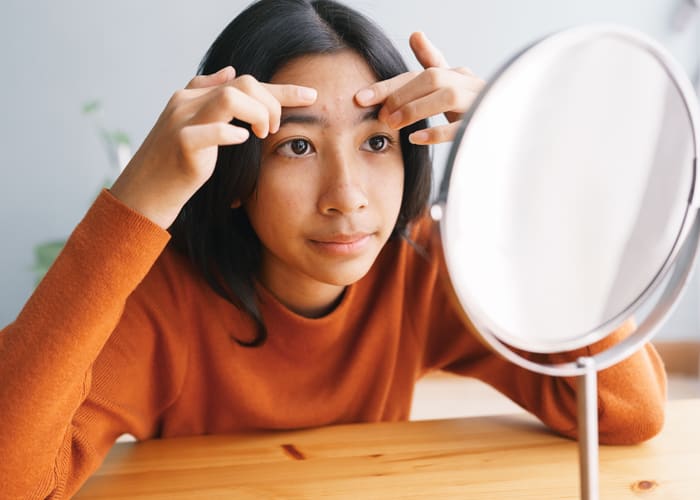
Teenage acne is almost like a rite of passage. It’s a result of those wild hormonal changes happening during puberty. As we enter our teenage years, the body produces more androgens (male hormones, found in both males and females), which trigger the sebaceous glands in the skin to produce excess oil. This excess oil can clog pores, creating the ideal environment for acne-causing bacteria to flourish.
Teenage acne is usually characterized by blackheads, whiteheads, and inflammatory pimples. It’s often exacerbated by stress, diet, and the inevitable changes in lifestyle, like staying up late studying or dealing with social pressures.
Adult Acne: More Complex Than You Think
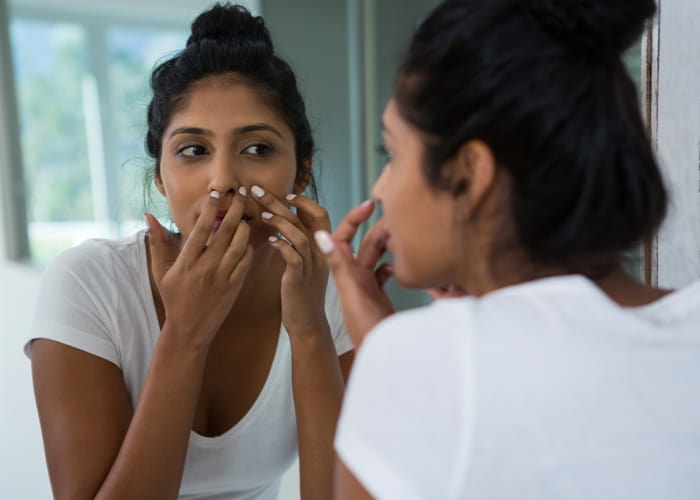
In contrast, adult acne is a bit more complex. It can strike even if you had clear skin as a teenager.
The causes behind adult acne are varied, and often less predictable. While hormones still play a role, other factors like stress, diet, lifestyle, and even skincare products can contribute to breakouts in adulthood.
1. Hormonal Imbalances
In adults, hormonal fluctuations can occur for many reasons: pregnancy, menstruation, birth control, and conditions like polycystic ovary syndrome (PCOS). These fluctuations can begin excess oil production, suffocating and clogging the pores, resulting in acne.
However, unlike teenage acne, adult acne often appears along the jawline, chin, and neck.
2. Stress
The pressures of adult life—work, family, relationships—can cause your body to produce more cortisol, the stress hormone. High cortisol levels can increase sebum production, clogging skin pores and ultimately breakouts.
3. Diet
While the jury is still out on the exact link between food and acne, there’s growing evidence that high-glycemic foods (like sugary snacks and white bread) and dairy products can contribute to acne flare-ups. This makes the diet a significant factor to consider in adult acne management.
4. Skincare Choices
As we age, our skincare needs change, and products that worked in our teens may not be suitable anymore. Some skincare ingredients or heavy moisturizers can clog pores, while others may irritate the skin, leading to breakouts.
If you’re using products with strong acids or exfoliants, it’s important to adjust your routine according to your skin’s evolving needs.
The Main Differences: Where Does Your Acne Show Up?
While the causes of acne vulgaris are different, so are the areas where they tend to show up.
Teenage Acne:
- Mostly rises on the forehead, nose, and chin (T-zone).
- Characterized by blackheads, whiteheads, and inflamed pimples.
Adult Acne:
- Adult acne on cheeks is most common and more likely to show up on other areas, such as the jawline, chin, and neck.
Did you know?
‘Over 70% of people with acne face scarring, redness, or dark marks, with cheeks, chin, and forehead most affected. Nearly half also report breakouts on their back or chest.’
- Can present as cystic acne or deep, painful pimples.
How to Treat Adult Acne

Treating adult acne calls for a targeted approach:
- Adjust Your Skincare: Use salicylic acid, niacinamide, zinc PCA or retinoids for gentle exfoliation and a balanced cleanser to manage oil without over-drying.
- Address Hormonal Adult Acne Causes: Consider hormonal treatments like oral contraceptives or anti-androgens for hormone-related breakouts.
- Manage Stress: Practice stress-reducing activities like yoga or mindfulness to lessen the levels of cortisol.
- Watch Your Diet: Cut back on sugary and dairy-rich foods, and focus on antioxidant-rich, balanced meals.
For persistent cases, consult a dermatologist for personalized solutions.
How to Treat Teenage Acne
Teenage acne is largely driven by hormonal changes, but it can be managed with the right care:
- Cleanse Gently: Wash your face twice daily with a mild, non-comedogenic cleanser.
- Use Targeted Treatments: Look for skincare products containing salicylic acid or benzoyl peroxide to reduce breakouts.
- Moisturize: Keep skin hydrated with an oil-free, lightweight moisturizer.
- Avoid Popping Pimples: This prevents scarring and worsened inflammation.
- Lifestyle Tips: Manage stress, eat a wholesome, healthy diet, and refrain from touching your face.
For severe acne, a dermatologist can provide advanced solutions like retinoids or prescription treatments.
To Sum Up
Dealing with acne at any age can feel like a battle, but understanding the differences between teenage and adult acne can make all the difference. Teenage acne is often more predictable and responds well to over-the-counter treatments, while adult acne tends to be a bit trickier, influenced by hormones, stress, and even our daily habits.
The good part- Whether you’re tackling teenage breakouts or adult flare-ups, there are plenty of options as to how to get rid of acne. From tweaking your skincare routine to addressing triggers like stress or diet, it’s all about finding what works for you.
And remember, acne doesn’t define you—it’s just one small part of your skin’s journey. With patience and care, clearer days are ahead.
FAQs
1. How to get rid of adult acne naturally?
To get rid of adult acne naturally, try these tips:
- Tea Tree Oil: Apply diluted tea tree oil to affected areas to relieve inflammation and bacteria.
- Aloe Vera: Use fresh aloe vera gel to soothe skin and reduce redness.
- Honey: Apply honey as a mask to help hydrate and fight acne-causing bacteria.
- Diet: Focus on eating anti-inflammatory foods like fruits, vegetables, and healthy fats while reducing sugar and dairy intake.
2. How to reduce adult acne?
To reduce adult acne, maintain a consistent skincare routine with gentle exfoliation, use non-comedogenic products, and manage stress for the best acne treatment for adults. Nutritious food intake along with staying well-hydrated is a bonus for skin health!
3. How to clear teenage acne?
To alleviate teenage acne, wash your face twice daily with a gentle cleanser, use acne remedies with salicylic acid or benzoyl peroxide, and do not touch your face. Further, eat healthy and drink up the fluids.
4. Will teenage acne go away?
Yes, teenage acne usually improves as hormone levels stabilize after adolescence. While it may take time, many people see a decrease in breakouts in their late teens or early twenties. Swear by a routine skincare practice and a healthy lifestyle.
5. At what age is it considered adult acne?
Adult acne is typically defined as acne that appears after the age of 25, often referred to as “post-adolescent acne” or “adult-onset acne”
6. Do adults with acne age slower?
Acne doesn’t make adults age slower. However, the inflammation caused by acne can contribute to skin damage over time if not treated. On the other hand, acne treatments like retinoids may help improve skin texture, and acne scars and reduce wrinkles, giving the appearance of slower ageing.
7. Why is adult acne more common now?
Adult acne is more common due to factors like stress, hormonal changes, diet, and lifestyle. Hormonal fluctuations (e.g., during menstruation or pregnancy) and stress can increase acne risk, while poor diet and certain medications also contribute. Additionally, external factors like mask-wearing during the pandemic have triggered more breakouts.