
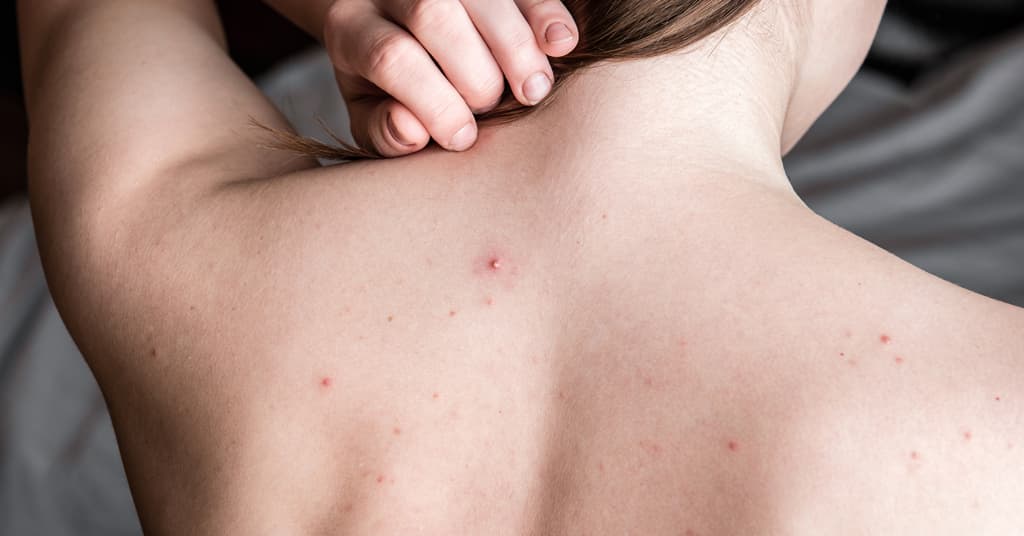
Back acne tends to appear at the most inconvenient times —right before a vacation, a celebration, or the day you finally decide to wear that backless top. And it often appears as more than just mild, isolated bumps. For many people, breakouts on the back and shoulders come with irritation, marks, and deeper pimples that seem stubborn compared to facial acne.
With the right guidance and a routine built around proven, dermatology-trusted ingredients, managing back acne becomes far less overwhelming.
As you move through this blog, you can also explore clinically developed formulations and peptide-focused body care options created specifically for acne-prone skin.
A mindful routine can truly change the way your back looks—and even more importantly, how comfortable you feel in your own skin.
Highlights
- Understanding Back Acne: A Quick Expert Overview
- Back Acne Causes: Why These Breakouts Keep Appearing
- Types of Back Acne You Might See
- How to Get Rid of Back Acne Fast: Dermatologist-Informed Methods
- Back Acne in Females: Unique Triggers to Know
- How Quickly Can Back Acne Improve?
- Prevention Tips to Keep Back Acne Away
- When to Visit a Dermatologist
- Conclusion: Clear, Confident Back Skin Is Within Reach
- FAQs
Understanding Back Acne: A Quick Expert Overview
Back acne (“Truncal Acne”) develops when oil, dead skin cells, and sweat clog pores on the back. Because the skin here has larger, more active oil glands, breakouts tend to be deeper and more inflamed compared to facial acne.
The combination of sweat, friction, genetics, hormones, and thick skincare or haircare products makes the back particularly vulnerable. Fortunately, once the underlying causes are understood, targeting them becomes much more effective.
Back Acne Causes: Why These Breakouts Keep Appearing
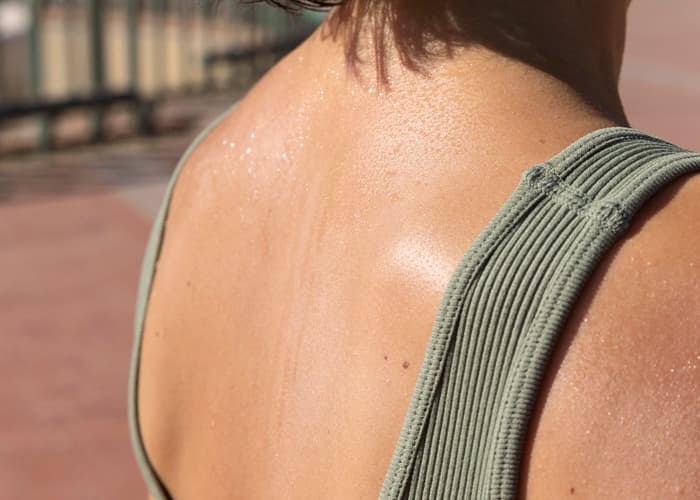
Back acne rarely has a single cause. It commonly appears when various contributing elements overlap over a period.
1. Excess Sebum Production
- The back is rich in sebaceous glands. When these glands overproduce oil, pores clog quickly, leading to whiteheads, blackheads, and inflammatory bumps.
2. Sweat, Heat & High Activity Levels
- Sweat trapped under clothing mixes with bacteria and oil. Humid environments or intense workouts often trigger flare-ups.
3. Friction
Constant rubbing or pressure from:
- Backpacks
- Gym clothing
- Sports bras
- Tight straps
- Synthetic fabrics
These can be one of the reasons that irritate the skin barrier and worsen breakouts.
4. Hormonal Fluctuations
Fluctuating hormones, especially androgens, can increase sebum production.
This is often why many ask, “What causes back acne in females even with clean habits?” Hormones are usually a major factor.
5. Comedogenic Skincare or Haircare
Body lotions, sunscreens, oils, conditioners, or styling products that drip onto the back can clog pores.
6. Genetics
If your parents dealt with persistent body acne, your skin might naturally produce more oil or be more reactive.
7. Dead Skin Buildup
Without regular exfoliation, dead skin layers accumulate faster on the back, blocking pores and contributing to deeper lesions.
Types of Back Acne You Might See
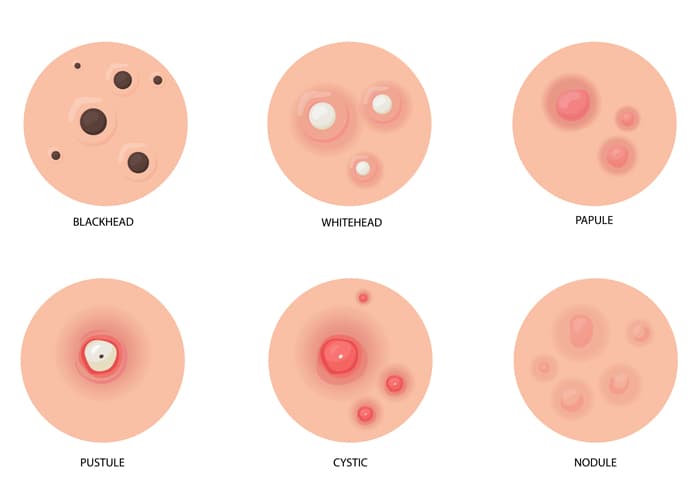
Understanding the acne type helps guide the right back acne treatment:
- Whiteheads → Small bumps that stay closed at the surface.
- Blackheads → Open pores filled with oxidized oil.
- Papules & Pustules → Inflamed red bumps, sometimes with a white or yellow centre.
- Nodules & Cysts → Deep, painful lumps under the skin—common on the back due to its thicker structure.
Back and shoulder acne often contains a mix of these, especially deeper lesions caused by friction and hormonal activity
The back is harder to cleanse and treat regularly. The skin is thicker, the pores are larger, and the area experiences constant friction from clothing. Combined with sweat and hair products, this leads to persistent congestion unless addressed consistently.
How to Get Rid of Back Acne Fast: Dermatologist-Informed Methods
Here’s a simplified yet highly effective approach.
1. Choose an Acne-Focused Body Wash
Your cleanser sets the foundation for clear skin. Look for ingredients such as:
- Salicylic acid (1–2%) — unclogs pores
- Benzoyl peroxide (2.5–5%) — reduces acne-causing bacteria
- Lactic acid — smooths texture
- Sulfur — controls oil and inflammation
- Tea tree — mild antimicrobial effect
Let the cleanser sit for 60–90 seconds before rinsing for maximum benefit.
2. Apply a Targeted Back Acne Cream
After cleansing, apply a lightweight, non-comedogenic treatment cream.
Good options include:
- Retinoids — prevent clogged pores + improve skin turnover
- Niacinamide — reduces redness and balances oil
- Azelaic acid — calms inflammation and lightens marks
- Peptides — support skin repair
- Centella asiatica — soothes irritation
Choose formulas that are barrier-friendly and comfortable for daily use.
3. Exfoliate 1–2 Times a Week
Chemical exfoliants keep pores clear without harsh scrubbing.
Recommended exfoliants:
- AHA-BHA blends
- Lactic acid for gentle resurfacing
- Glycolic acid for texture smoothing
- Avoid aggressive physical scrubs as they can irritate inflamed acne.
4. Switch to Lightweight, Non-Comedogenic Moisturizers
Acne-prone skin also relies on adequate hydration to function well. Choose moisturizers that are:
- Oil-free
- Non-comedogenic
- Lightweight
- Gel-based
Ingredients like ceramides, panthenol, and peptides support the skin barrier without causing breakouts.
5. Wear Breathable Clothing
Switch to sweat-wicking fabrics during workouts and avoid tight-fitting outfits that trap heat and friction. Small changes help:
- Change immediately after sweating
- Shower post-workout
- Avoid thick straps or rough fabrics
6. Keep Hair Products Away from Your Back
Hair conditioners, serums, and oils dripping onto the back are a common cause of clogged pores. Tips to prevent this:
- Tie your hair up during body cleansing
- Wash conditioner forward
- Use lightweight, non-greasy haircare if acne-prone
7. Support Your Skin Through Diet & Hydration
Choosing balanced foods can support steadier, lower inflammation levels in the body. Supportive foods include:
- Omega-3- rich options like walnuts and chia
- Fresh fruits and greens
- Hydrating fluids
Some individuals notice fewer flare-ups with reduced sugar or dairy intake.
8. Avoid Picking or Scratching
Touching acne increases inflammation, prolongs healing, and causes dark spots and scars—especially on the back, where skin scars more easily.
9. Consider Professional Dermatology Treatments
For persistent or severe back acne:
- Microdermabrasion
- Prescription topical or oral medications
- Hormonal therapy (if needed)
- LED therapy for inflammation
These treatments significantly help with deeper nodules or cysts.
Back Acne in Females: Unique Triggers to Know

Females often experience patterns of back acne tied to hormonal rhythms.
Top reasons include:
- Menstrual-cycle fluctuations
- Increased androgen sensitivity
- Stress-related oil production
- Tight activewear
- Conditioner or hair serum residue
- Sweat accumulation during long workouts
Addressing these triggers, especially haircare and clothing, makes a noticeable difference.
Daily Routine for Clear and Healthy Skin
A dermatologist-informed back acne routine can look like this:
Routine | Products | Why It Helps |
Morning |
| Clears pores, hydrates, protects from marks |
Evening |
| Reduces bacteria, treats acne, supports barrier |
Weekly |
| Smooths skin, decongests pores |
How Quickly Can Back Acne Improve?
Most people begin noticing improvement within:
- 4–6 weeks for mild acne
- 8–12 weeks for moderate acne
- 12+ weeks for deeper or hormonal acne
Consistency is everything. Back acne heals more slowly because the skin is thicker, but steady treatment yields clear, even-toned results.
Prevention Tips to Keep Acne Away
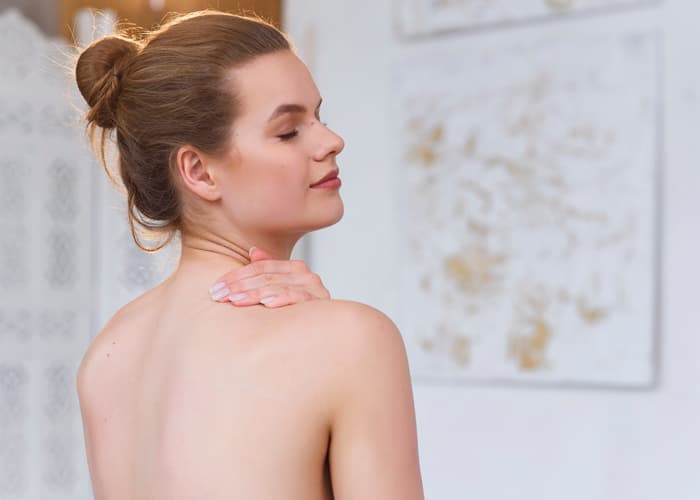
Once your skin clears, maintaining results becomes easier with a few habits:
- Shower after sweating
- Avoid harsh scrubs
- Keep hair off the back
- Use clean, breathable fabrics
- Switch to non-comedogenic products
- Exfoliate weekly
- Moisturize regularly
- Change workout clothes frequently
These steps keep pores clean and prevent new blockages.
Lifestyle Tips That Support Clear Skin
Holistic wellness often enhances topical treatment results.
Helpful habits:
- Consistent sleep
- Stress management
- Balanced diet
- Gentle, daily cleansing
- Regular hydration
Healthy routines encourage better sebum balance and more resilient skin.
When to Visit a Dermatologist
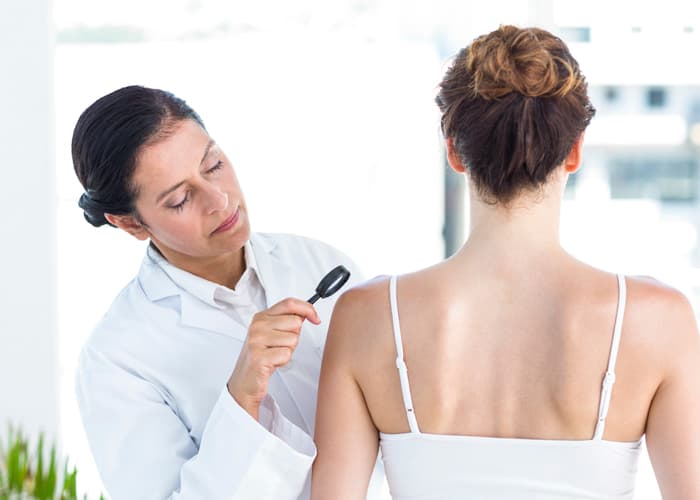
Seek professional care if you experience:
- Painful cysts
- Recurrent flare-ups
- Sudden severe acne
- Scarring or pigmentation
- Acne unresponsive to over-the-counter care
A dermatologist can personalize treatments and accelerate your progress toward clear skin.
Conclusion: Clear, Confident Back Skin Is Within Reach
Back acne can feel stubborn, but with the right strategy—targeted cleansers, lightweight moisturizers, consistent exfoliation, and smart lifestyle habits—you can achieve smooth, clearer skin. Thoughtfully formulated ingredients such as salicylic acid, benzoyl peroxide, retinoids, niacinamide, and peptides create powerful, visible improvements.
If you’re exploring advanced, science-backed skincare options to support your routine, consider clinically inspired formulations that focus on barrier health, clarity, and balanced skin function.
Clear, comfortable skin is absolutely achievable—and your journey toward healthier back skin can begin today.
FAQs:
1. How to get rid of back acne fast?
Use an acne-focused cleanser like salicylic acid or benzoyl peroxide, apply a targeted treatment cream (retinoids, niacinamide, or azelaic acid), and exfoliate weekly. Pair this with breathable clothing and non-comedogenic skincare for quicker results.
2. What is the cause of back acne?
Breakouts appearing on the back once pores become congested with sebum, sweat, and dead skin buildup. Factors like friction from clothing, comedogenic products, hormones, and genetics often make breakouts more persistent.
3. Is back acne hormonal?
Yes. Hormonal shifts, especially fluctuations in androgens, can increase oil production, making back acne more likely, particularly around menstrual cycles or during stress.
4. What foods help back acne?
Anti-inflammatory foods such as omega-3–rich nuts and seeds, leafy greens, fruits, and adequate hydration can support clearer skin. Some people notice fewer flare-ups when reducing high-sugar or high-dairy foods.
5. Is back acne caused by sweat?
Sweat itself doesn’t cause acne, but when it mixes with oil, bacteria, and friction under clothing, it can clog pores and trigger breakouts—especially after workouts or in humid weather.